
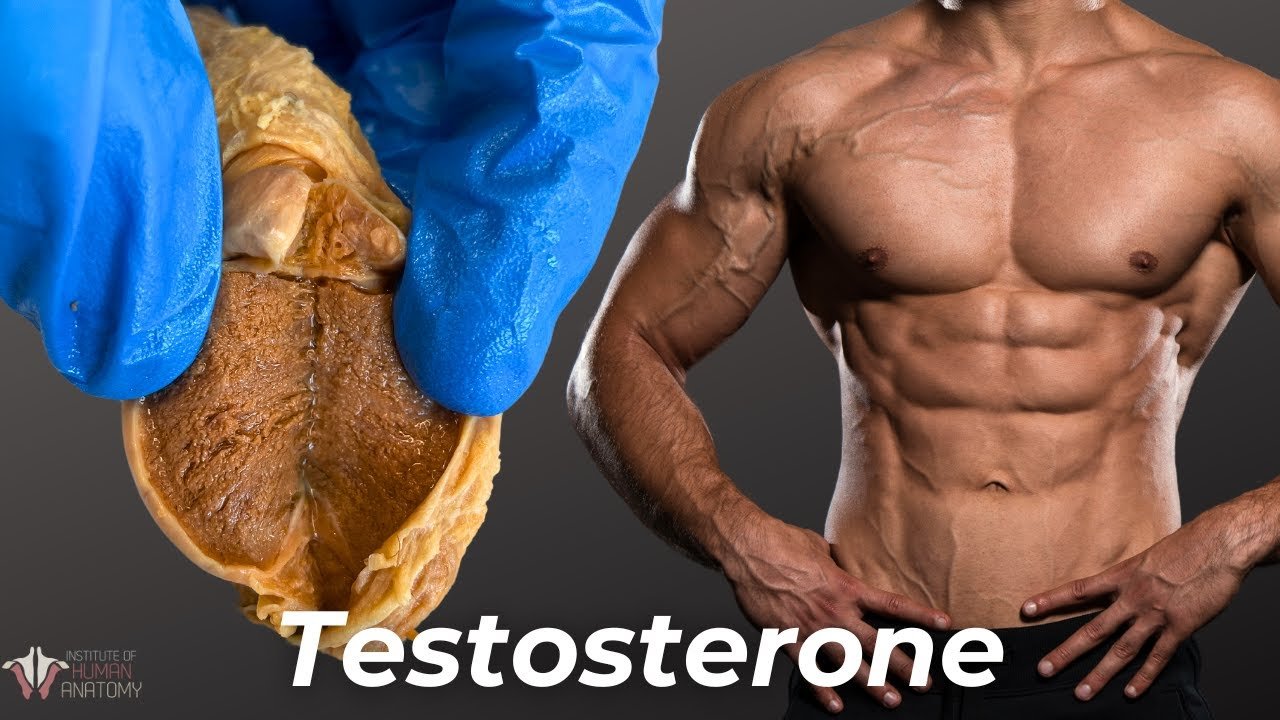
Low testosterone in men is rarely a single symptom — it is a constellation of changes most men dismiss as “just getting older.” By age 45, an estimated 40% of men show signs of clinically low testosterone — yet only a small fraction ever get tested. The decline is gradual, the symptoms creep in across years, and the early warning signs blend seamlessly into the background of busy adult life. Recognising what these signs actually look like — and which ones warrant medical evaluation — is one of the most important men’s health literacy topics of the decade.
📄 In This Guide
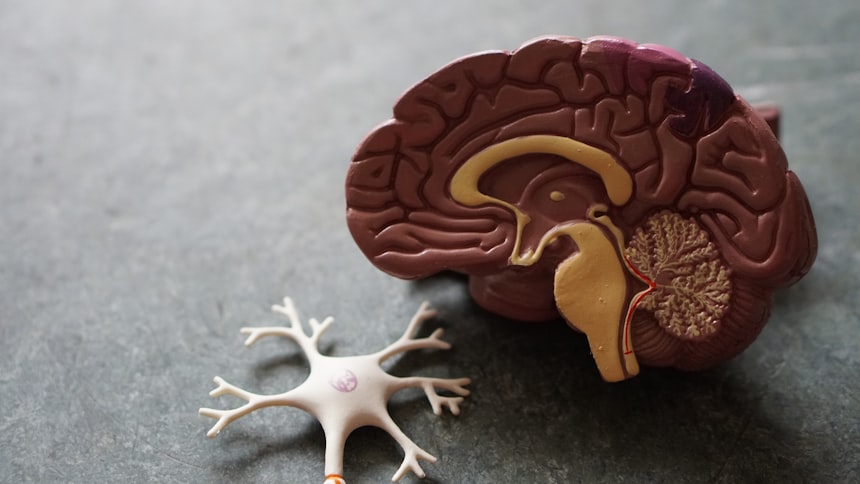
Persistent fatigue, mood changes, and loss of motivation are among the most common early signs of low testosterone — yet most men attribute them to stress or aging rather than hormones.
What Testosterone Actually Does
Testosterone is not simply a “sex hormone” — it is a systemic regulator that influences nearly every major body system in men. It governs muscle mass and bone density, regulates energy metabolism and red blood cell production, modulates mood and cognitive function, drives libido and erectile function, and influences fat distribution and insulin sensitivity. When testosterone falls below optimal ranges, the effects radiate across all these systems simultaneously.
This is why low testosterone rarely presents as one isolated symptom. Clinical descriptions of low testosterone list a cluster of changes rather than one standout symptom — fatigue, weight gain, mood shifts, sleep disruption, reduced motivation. Each of those has several possible causes on its own, which is why the pattern matters more than any single item, and why only a blood test can establish whether testosterone is actually the driver rather than something else.
Why These Signs Get Missed
The symptoms of low testosterone develop slowly — typically over 5 to 10 years — which makes them almost invisible day-to-day. Men adapt to the gradual changes, attributing them to stress, workload, aging, or relationship dynamics. By the time the changes are obvious enough to prompt action, testosterone may have been suboptimal for years.
A landmark study in the Journal of Clinical Endocrinology & Metabolism found that testosterone levels in American men have been declining beyond what aging alone explains — meaning today’s 40-year-old has lower testosterone than his father did at the same age. The drivers include rising obesity rates, environmental endocrine disruptors, chronic stress, sleep deprivation, and reduced physical activity. The result is a generation of men experiencing hormonal decline earlier and more severely than previous generations — most of them unaware it is happening.
The 12 Signs of Low Testosterone
Persistent Fatigue You Cannot Shake
Common Early Sign
This is not ordinary tiredness — it is a deep, heavy exhaustion that does not lift after 8 hours of sleep or a weekend of rest. Men with low testosterone often describe it as “running on a flat battery” — the body works, but everything takes more effort than it should. Testosterone helps regulate red blood cell production, mitochondrial energy metabolism, and overall metabolic efficiency. When levels drop, the body becomes progressively less efficient at producing and using energy. If you are sleeping enough, eating reasonably well, and still waking up tired most mornings, testosterone is one of the first things to check.
Loss of Morning Erections
Earliest Reliable Sign
Morning erections — clinically called nocturnal penile tumescence — are one of the clearest hormonal signals in the male body. Sleep-lab research on nocturnal penile tumescence generally reports around three to five episodes per night in healthy men, clustered toward the end of the sleep period. When testosterone drops, this pattern fades. Many men go from having morning erections daily to maybe one or two per week, then almost none. Most do not realise it is happening until they think back and notice the change. This is one of the most reliable early signs of low testosterone — if morning erections have noticeably decreased over the past 6 to 12 months, it warrants bloodwork.
Stubborn Belly Fat That Will Not Budge
Bidirectional Driver
You are eating about the same as you did at 30, maybe even less. You are moving as much as before. But the weight — particularly around the midsection — keeps creeping up. Testosterone regulates fat distribution, and when levels drop, the body begins storing more fat viscerally. Worse, belly fat itself converts testosterone into oestrogen through the aromatase enzyme — creating a vicious cycle where low testosterone causes belly fat, and belly fat causes lower testosterone. If your belt has moved out two notches in five years despite consistent habits, this is not a willpower problem — it is a hormonal one.
Mental Fog and Memory Lapses
Cognitive Sign
Forgetting names. Walking into rooms and forgetting why. Struggling to focus on tasks that used to be easy. Many men attribute this to stress or being busy, but cognitive symptoms are a well-documented sign of low testosterone. Testosterone receptors are densely packed in the hippocampus and prefrontal cortex — the brain regions responsible for memory, focus, and executive function. When levels drop, mental processing slows measurably. If your sharpness has noticeably dulled over the past year or two — especially alongside other symptoms on this list — hormonal evaluation should be part of the workup.
Low Motivation and Drive
Behavioural Sign
This is the symptom men describe most viscerally: “I just don’t care like I used to.” Things that used to excite you — projects, hobbies, ambitions — feel flat. Getting started on anything requires more willpower than it should. Testosterone influences dopamine signalling, which governs reward, motivation, and goal-directed behaviour. Lower testosterone means duller dopamine response, which means an emptier experience of drive and reward. This is not depression in the clinical sense — it is a different kind of flatness, a lack of internal fire that most men only recognise in hindsight after treatment.
Loss of Muscle Mass and Strength
Physical Sign
You are lifting the same weights, eating the same protein, but the gains stopped — or worse, you are losing strength. Recovery from workouts takes longer. Muscle definition fades even when fat is not increasing. Testosterone is one of the body’s primary anabolic hormones — it signals muscle fibres to grow and repair after stress. Without sufficient testosterone, muscle protein synthesis slows and muscle breakdown can outpace rebuilding. If your strength gains have stalled despite consistent training, or if you have noticed visible muscle loss in your arms, chest, or legs, this is a significant hormonal signal.
Mood Changes — Irritability and Low Mood
Psychological Sign
Snapping at small things. A shorter fuse. A general greyness to mood that was not there before. Research published in the New England Journal of Medicine has clearly linked low testosterone to increased rates of irritability, depression, and emotional flatness in middle-aged men. The relationship is two-way — low testosterone affects mood, and chronic stress (which raises cortisol) further suppresses testosterone. If your partner or friends have mentioned that you seem “different” or more on edge over the past year — and you cannot pinpoint why — hormones deserve investigation alongside other factors.
Reduced Libido
Classic Sign
This is the most-discussed symptom and the one men eventually do notice. But it often gets dismissed: “We’ve been together a long time. Work has been stressful. Just getting older.” Sometimes those explanations are accurate. But a sustained, unexplained drop in libido — particularly when paired with weaker morning erections — is one of the clearest hormonal red flags in male physiology. A healthy libido is not about constant sex drive — it is about underlying interest being intact when conditions are right. When that interest fades entirely, especially in your 30s or 40s, testosterone deserves a look.
Poor Sleep Quality
Bidirectional Sign
Trouble falling asleep. Waking multiple times per night. Sleeping a full 8 hours and still feeling unrested. Sleep and testosterone are deeply intertwined — and the relationship runs both directions. A study in JAMA found that just one week of restricted sleep (5 hours per night) reduced testosterone in healthy young men by 10 to 15%. Conversely, men with low testosterone often experience worse sleep architecture — less deep sleep, more night wakings. If your sleep has deteriorated over the past few years despite no major life changes, it could be both a cause and a symptom of declining hormones.
Thinning Body and Facial Hair
Slow Progression Sign
Less hair on the chest, arms, or legs. A beard that grows in patchier than it used to. Less frequent need to shave. Hair follicles respond directly to androgens, so changes in body hair often reflect changes in hormonal levels. This sign develops slowly — over years rather than months — so most men do not notice it until they compare to old photos and see the difference. Head hair is more complex (genetic factors dominate there), but body and facial hair are a more direct hormonal signal that can corroborate other symptoms on this list.
Joint and Bone Aches
Musculoskeletal Sign
Vague aches that are not tied to injury or overuse. Stiffness in the morning. Joints that feel “creaky” without a clear reason. Testosterone supports bone density and influences inflammation, so declining levels can show up as unexplained musculoskeletal discomfort. The Endocrine Society’s clinical guidelines note that low testosterone contributes to accelerated bone loss in middle-aged and older men — a process often silent until a fracture occurs. If you have noticed new aches that do not match any specific cause, this is one more piece of the diagnostic puzzle.
Hot Flashes or Night Sweats
Advanced Sign
This one surprises most men because it is culturally associated with menopause. But men with significantly low testosterone can experience the same hormonal dysregulation — sudden waves of heat, unexplained sweating (especially at night), or temperature swings. It is less common than the other signs on this list, but when it occurs, it tends to indicate more advanced testosterone deficiency. If you are soaking through sheets at night without being ill, your hormones deserve a closer look — alongside ruling out other causes such as sleep apnoea.

Resistance training, adequate sleep, and managing visceral fat are the three highest-leverage natural interventions for supporting healthy testosterone levels in men over 40.
How to Test Your Testosterone Levels
Total testosterone: The standard initial measurement. Normal range is typically 300–1000 ng/dL, though optimal symptom-free ranges are often considered 600 ng/dL or higher. Test in the morning between 7–10 a.m. when levels naturally peak.
Free testosterone: The unbound, biologically active form. Generally 5–21 pg/mL is considered normal. This is often more clinically informative than total testosterone, as some men have normal total but low free levels.
SHBG (sex hormone binding globulin): Determines how much testosterone is bound versus available. Elevated SHBG can result in symptoms of low T despite normal total testosterone readings.
Estradiol: Should be measured alongside testosterone — elevated oestrogen in men is often a co-existing problem driven by visceral fat and aromatase activity.
Important: Testosterone fluctuates significantly. Most clinicians require two confirmatory tests on separate mornings before diagnosing low testosterone — never accept a single result as definitive.
What Actually Works for Low Testosterone
🔧 Evidence-Based Testosterone Support Strategies
- Resistance training 3–4x per week — the most consistent natural testosterone-supporting exercise modality across research
- Lose visceral fat first — directly breaks the aromatase cycle that converts testosterone to oestrogen
- Sleep 7–9 hours consistently — testosterone production peaks during deep sleep cycles; insufficient sleep is one of the largest single drivers of low T
- Address vitamin D deficiency — testosterone receptors require adequate vitamin D for normal function; deficiency is widespread in men over 40
- Optimise zinc and magnesium intake — both minerals are essential cofactors in testosterone synthesis
- Reduce alcohol to under 7 units per week — alcohol directly suppresses testosterone production and elevates oestrogen
- Manage chronic stress and cortisol — cortisol and testosterone are biologically inverse; sustained stress directly suppresses testosterone
- Increase dietary protein and healthy fats — testosterone is synthesised from cholesterol; very low-fat diets impair production
- Avoid endocrine disruptors — minimise BPA-lined containers, conventional cosmetics with phthalates, and pesticide-heavy produce
- Get tested before pursuing TRT — bloodwork must precede any pharmaceutical intervention; lifestyle changes often produce 10–25% increases first
⚠ What Does NOT Reliably Work for Low Testosterone
Most over-the-counter “testosterone boosters” — the majority lack credible evidence of raising testosterone meaningfully. Ingredients like tribulus terrestris and fenugreek show inconsistent results in trials despite heavy marketing.
Severe calorie restriction — aggressive dieting elevates cortisol and suppresses testosterone further, often worsening symptoms before improving them. Slower, sustainable fat loss preserves hormonal function better.
Excessive cardio — endurance training beyond moderate volumes can suppress testosterone, particularly when combined with under-eating. Resistance training is the more testosterone-supportive primary modality.
“Natural” remedies without bloodwork — addressing low testosterone without measurement is guessing. Test first, intervene second, re-test to verify progress.
Frequently Asked Questions
1. Travison TG, Araujo AB, O’Donnell AB, et al. (2007). A population-level decline in serum testosterone levels in American men. Journal of Clinical Endocrinology & Metabolism, 92(1):196–202. PubMed ↗
2. Wu FC, Tajar A, Beynon JM, et al. (2010). Identification of late-onset hypogonadism in middle-aged and elderly men. New England Journal of Medicine, 363(2):123–135. PubMed ↗
3. Leproult R, Van Cauter E. (2011). Effect of 1 week of sleep restriction on testosterone levels in young healthy men. JAMA, 305(21):2173–2174. PubMed ↗
4. Bhasin S, Brito JP, Cunningham GR, et al. (2018). Testosterone Therapy in Men With Hypogonadism: An Endocrine Society Clinical Practice Guideline. Journal of Clinical Endocrinology & Metabolism, 103(5):1715–1744. PubMed ↗
Medical Disclaimer: This article is for informational and educational purposes only. Always consult a qualified healthcare professional before making significant changes to your diet, exercise programme, or supplement regimen — particularly when symptoms suggest possible hormonal imbalance. Men’s Health Authority Team are health journalists and supplement reviewers, not licensed medical professionals.
1 thought on “12 Signs of Low Testosterone Men Ignore”
Comments are closed.