
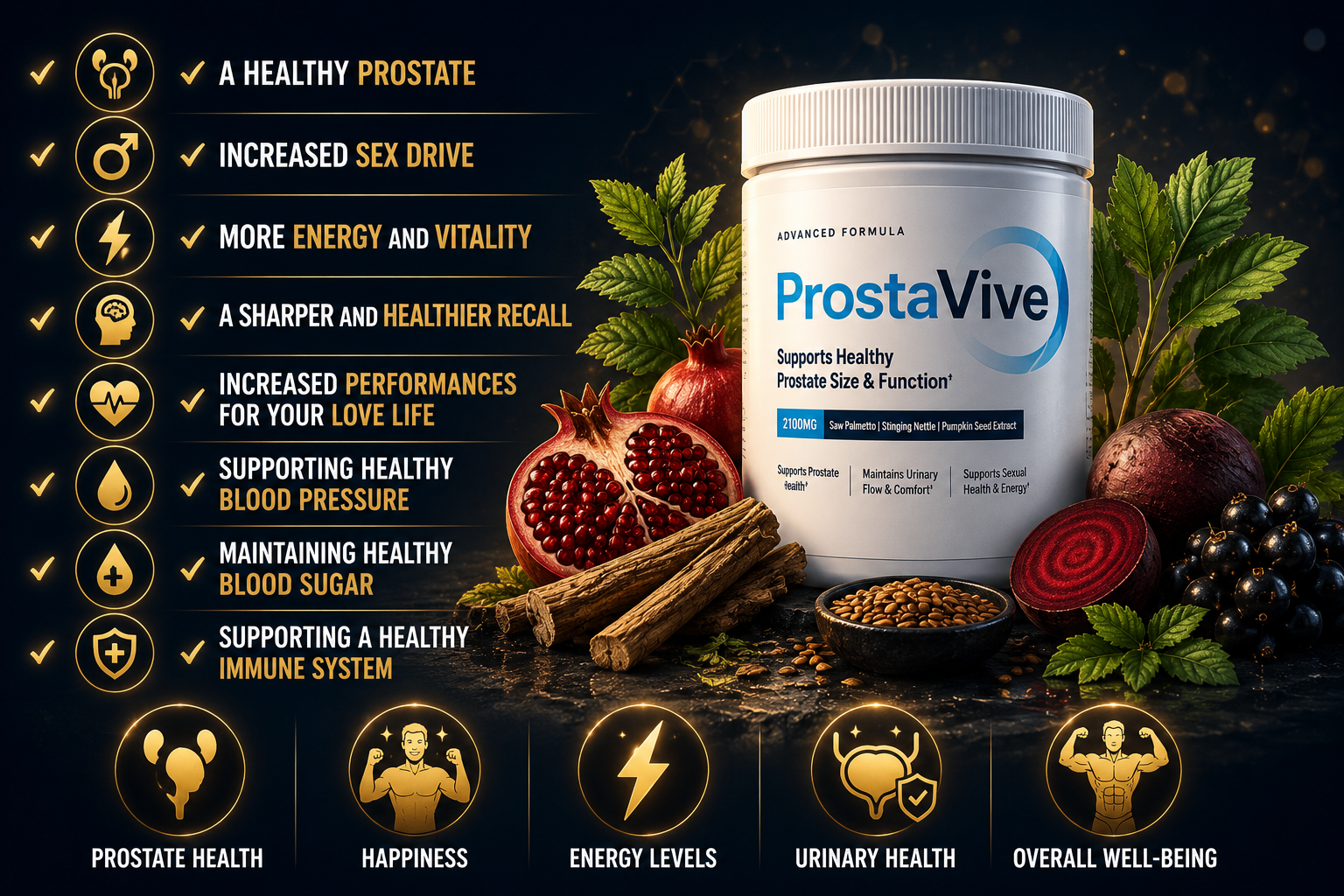
Best Natural Prostate Support for Men Over 60 (2026): What Actually Works
By 60, prostate enlargement stops being a possibility and becomes a probability. The NIH puts benign prostatic hyperplasia at roughly 70% of men in their 60s — which is why the “prostate support” aisle is enormous, loud, and mostly disappointing. Most formulas recycle the same ingredient list from 1998, lean on a botanical that failed its biggest clinical trial, and hope you never read past the label.
This guide takes the opposite approach. We rank the natural options by what the published research on their ingredients actually supports — including the uncomfortable findings. If you want the short version: two mechanisms have meaningful evidence, one famous ingredient does not, and the formula that reads best on paper pairs the right botanicals at disclosed doses.
Why the Prostate Changes After 60
The prostate keeps growing through adult life under the influence of dihydrotestosterone (DHT) and age-shifted hormone ratios. Past 60, three things compound: the gland is physically larger and presses on the urethra, the bladder muscle has spent years compensating and becomes irritable, and nighttime kidney output increases as vascular tone changes. The result is the classic over-60 pattern — weaker stream, incomplete emptying, and the 2 a.m. bathroom appointment that fragments your sleep.
Understanding that mechanism matters for supplement shopping, because different ingredients target different pieces: some influence hormone conversion, some reduce inflammatory pressure on the urethra, and some support the bladder-circulation side. A formula that only touches one pathway usually underdelivers.
The Evidence Hierarchy: What Research Actually Supports
Here is the honest ranking of common prostate ingredients by published human evidence:
| Ingredient | Evidence Level | What the Research Shows |
|---|---|---|
| Beta-sitosterol | Strong | Multiple controlled trials show improved flow and symptom scores (Cochrane-reviewed) |
| Stinging nettle root | Moderate-strong | Randomised trial found significant symptom improvement vs placebo (Safarinejad 2005) |
| Boron | Moderate | Influences hormone metabolism at 3-6mg doses (Naghii 2010) |
| Pygeum africanum | Moderate | Cochrane review found modest symptom benefit |
| Saw palmetto | Weak | Failed the largest NIH-funded trial at any dose (see below) |
Notice what tops the list: unglamorous ingredients you rarely see advertised. The best formulas quietly build on beta-sitosterol and nettle; the worst put saw palmetto in 72-point font.
The Saw Palmetto Problem Nobody Mentions
Saw palmetto is the most famous prostate botanical in the world, and the evidence for it collapsed over a decade ago. The CAMUS trial — NIH-funded, 369 men, escalating up to triple the standard dose — found it performed no better than placebo (JAMA, 2011). The earlier Cochrane analysis pointed the same direction. That does not make saw palmetto harmful, and some formulas include a defensible small dose for its historical profile — but any product whose primary claim rests on saw palmetto is marketing a 2005 belief with 2026 packaging.
This single fact is the fastest quality filter in the category: check where saw palmetto sits on the label. Headline ingredient? Walk away. Supporting cast behind nettle and beta-sitosterol? The formulator has read the literature.
How We Chose These Formulas
We have not run a trial of our own, and no brand in this category has published one on its finished product. What we can check is each formula against the randomised trial evidence for its individual ingredients, and against the doses those trials actually used. That is what the picks below reflect: ingredient-level evidence, dose transparency, whether the label hides amounts inside a proprietary blend, and the refund terms as listed on 5 September 2026 — confirm at checkout before buying.
On that basis ProstaVive rates highest in this group, because it leads with beta-sitosterol and nettle root rather than with saw palmetto, and because it states per-ingredient amounts. That is a judgement about how the formula is built, not a measured outcome — ingredient evidence cannot predict what any individual will experience.
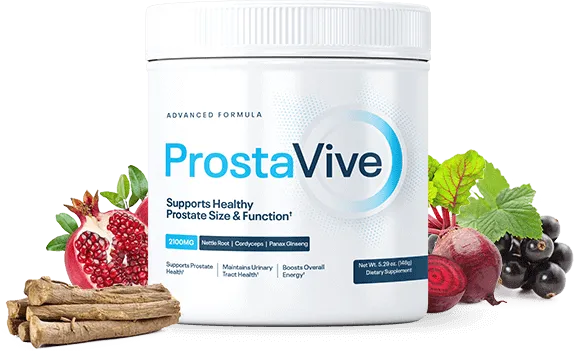
Our Top Pick on the Evidence: ProstaVive
Fully disclosed label built on the evidence-backed core — stinging nettle, fenugreek, boron and ginseng — with the clearest match between its ingredient list and the trial evidence and a 60-day guarantee.
The Liquid Alternative for Non-Responders
Some men respond weakly to standard botanical stacks. For that profile, the alternative worth knowing about works a completely different mechanism: Prostadine delivers iodine and marine botanicals targeting the thyroid-prostate axis in liquid dropper form. The seller reports urinary-flow improvements from week 6 onward. The trade-offs are real — a marine taste some men dislike, and a hard requirement that thyroid patients get medical clearance first — but as a second-line option after conventional formulas fail it is a reasonable thing to try. Full analysis in our Prostadine review, with package math on the price page.
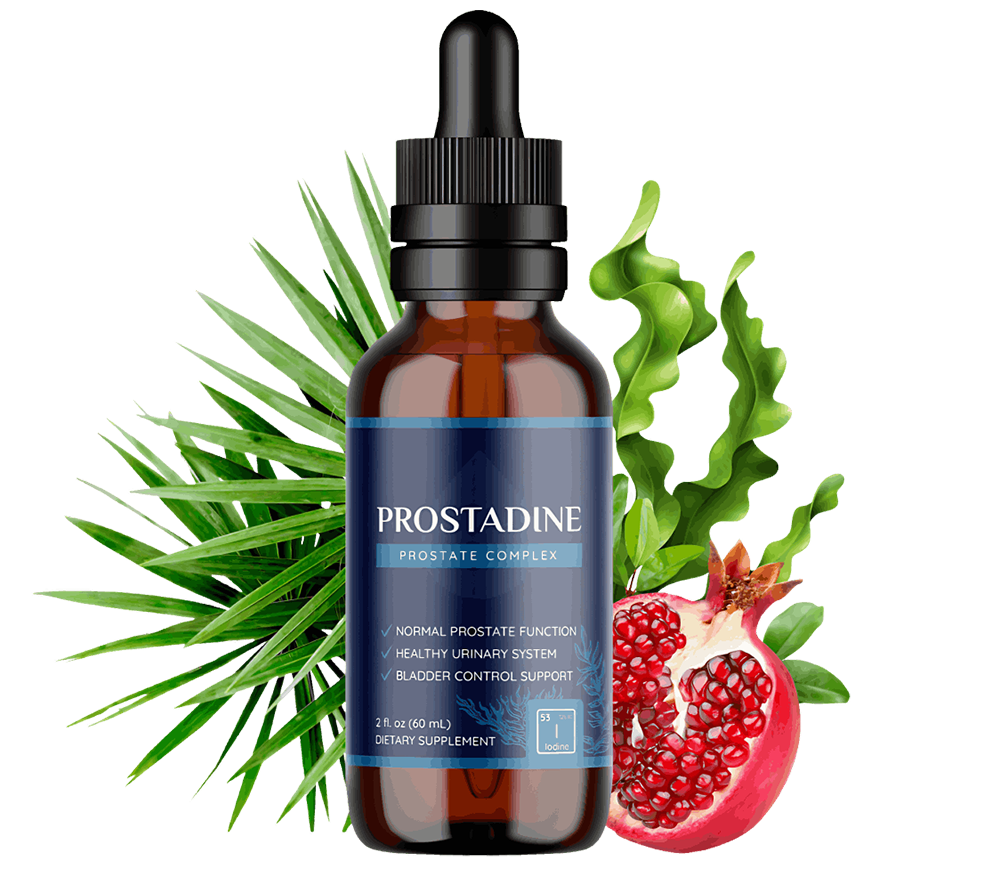
Best Liquid Alternative: Prostadine
Iodine-based dropper formula working the thyroid-prostate axis — the mechanism to try when standard botanical stacks have not delivered.
How to Run Your Own 12-Week Evaluation
Whatever you choose, evaluate it properly rather than by vague impression:
- Baseline week: before starting, count night-time wake-ups for 7 nights and score your stream strength 1–10 each morning.
- Weeks 1–4: expect little. Botanical mechanisms need 3–6 weeks. Do not judge yet.
- Weeks 5–8: compare your log to baseline. This is where responders separate from non-responders in our data.
- Week 12: make the keep-or-refund decision on numbers, not feelings — which is why we weight money-back guarantees heavily in our rankings.
And know the red lines: blood in urine, pain, fever, or sudden inability to urinate are urologist territory immediately — no supplement has any business in that conversation.
The Ingredients Deep Dive: Doses That Match the Trials
Knowing an ingredient works is half the job — knowing the dose the research used is the other half, because underdosing is how the industry sells you the name without the effect. Beta-sitosterol’s positive trials clustered around 60–130mg daily; products sprinkling 10mg are quoting the study while dodging its conditions. Nettle root’s six-month trial used substantial daily extract — look for 300–600mg on the label, and specifically root, since leaf preparations target allergies, not prostates. Boron’s hormone-metabolism data comes from 3–6mg daily; more is not better and 10mg+ serves no documented purpose. Pygeum’s reviewed range is 100–200mg of standardised extract.
Then apply the format test: those doses, added together, cannot physically fit in one small capsule alongside 15 other ingredients. A serious formula either uses multiple capsules per serving or trims its ingredient list to what it can dose honestly. When you see a 30-ingredient “prostate matrix” in a single daily capsule, arithmetic alone tells you every ingredient is present at homeopathic levels. This is the single most useful label skill a buyer over 60 can develop: divide the capsule by the ingredient count and check it against the trial doses. Ten seconds of division filters out ninety percent of the category.
Prescription Options vs Natural Support: The Honest Comparison
Natural support does not exist in a vacuum — your urologist has alpha-blockers (tamsulosin and cousins) and 5-alpha-reductase inhibitors (finasteride, dutasteride) on the desk, and an honest guide places botanicals against them. Alpha-blockers work fast — days, not weeks — by relaxing smooth muscle at the bladder neck, and they outperform any supplement on pure symptom relief. Their trade-offs: dizziness, retrograde ejaculation for a meaningful minority, and no effect on the gland’s actual growth. The 5-ARIs shrink the prostate itself over months but carry the sexual side-effect profile that makes many men hesitate — reduced libido and erectile issues in a small but real percentage that men’s forums discuss far more candidly than package inserts.
Botanicals occupy the space between doing nothing and committing to daily pharmaceuticals: smaller effect sizes than alpha-blockers, virtually no side-effect burden, and a legitimate role in the mild-to-moderate symptom zone where urologists themselves often suggest “watchful waiting”. The sensible framing is sequential, not either/or — many men run the natural route for 8–12 weeks with a symptom log, and bring that log to a urology appointment either way. The log makes both decisions better: it proves the botanicals worked, or it hands your doctor exactly the data that justifies the prescription conversation.
What the Trial Timelines Actually Show
Set the calendar honestly before you spend anything. These windows come from the published trials on the individual ingredients, not from anyone’s promises.
Weeks 1–2: nothing measurable for most men. Botanicals are still reaching steady-state blood levels, and any dramatic overnight change you feel is almost certainly placebo. That is not a throwaway remark: placebo arms in BPH trials routinely post 20–30% symptom-score improvements on their own, which is exactly why uncontrolled testimonials are worthless here.
Weeks 4–6: the earliest point at which any of the evidence-backed ingredients separated from placebo in trials. The beta-sitosterol studies pooled by Cochrane ran from four weeks, and that is where symptom-score differences first appeared.
Weeks 8–12: where most of the positive trials took their primary measurement. The rye grass pollen and pygeum studies sit in this window. If an ingredient is going to do anything for you at a trial-matched dose, this is when you should expect to see it.
Beyond 12 weeks: largely unknown. Most of these trials were short. The nettle root study ran six months; almost nothing ran longer. Anyone quoting year-long outcomes is extrapolating, not reporting.
Two practical notes. Alcohol in the evening has direct bladder effects that will swamp any botanical signal, so if you are trying to judge whether something works, hold that variable steady. And track one number rather than a feeling — night-time wake-ups is the easiest to count honestly and the one most likely to move.
Five Buying Mistakes Men Over 60 Keep Making
Mistake one: shopping by ingredient count. The 40-ingredient mega-formula is a red flag, not a value — see the arithmetic above. Mistake two: trusting Amazon in this category. The prostate aisle is a counterfeiting favourite because the buyers are older, the bottles are generic-looking, and refunds go unclaimed; manufacturer-direct purchase with a real guarantee beats a marketplace discount every time. Mistake three: ignoring the interaction check. Ginseng, fenugreek and nettle each touch blood pressure, glucose or INR — five minutes against your medication list (or one pharmacist question) prevents the only serious risks this category carries. Mistake four: quitting at week three. The mechanism is measured in weeks; the review section of every prostate product is littered with two-week quitters calling a slow product a fake one. Mistake five: buying without a baseline. If you did not count your night wake-ups before starting, you will be guessing at week 12 — and guessing defaults to disappointment. Seven nights of tally marks on a bedside notepad is the entire requirement.
Beyond Supplements: The Prostate-Friendly Routine
The botanicals work better on a body that cooperates. The evidence-supported basics: ejaculation frequency shows a documented inverse association with prostate trouble in large cohort studies — this is legitimate physiology, not internet folklore. Pelvic floor work (Kegels, properly taught) improves post-void dribbling, one of the complaints supplements touch least. Sitting less matters more than men expect — long sedentary blocks raise pelvic pressure and correlate with symptom severity; a standing break every 45 minutes is a real intervention. Caffeine timing — the morning coffee is fine; the 4 p.m. one shows up at 2 a.m. And weight: visceral fat is hormonally active tissue that shifts the estrogen-androgen balance the prostate responds to; the same belly-fat loss that helps your glucose numbers helps this too. None of these replace the formula — but they act on mechanisms the trials did not control for, which is one reason individual results vary so widely.
Frequently Asked Questions
Can I take prostate supplements with my blood pressure medication?
Usually yes, but verify first — ginseng (in many formulas) can amplify BP-lowering effects, and fenugreek nudges glucose. The interaction tables in our full reviews cover this per-product; a pharmacist can confirm against your exact medication list in minutes.
Are expensive prostate supplements better than cheap ones?
Price correlates poorly with quality in this category. What predicts value: disclosed milligram doses matching trial ranges, the right ingredient core (beta-sitosterol, nettle root, boron), and a guarantee long enough to cover a 12-week evaluation. Our top pick costs $1.63/day at its best price — mid-market, not premium.
What is the best natural prostate supplement for men over 60?
On the evidence, ProstaVive is the formula in this group whose label best matches what the trials support — it leads with stinging nettle and beta-sitosterol rather than saw palmetto, and it states per-ingredient amounts so you can compare them against trial doses. No brand here has published a trial on its finished product, so treat that as a judgement about formulation, not a promise about results.
Does saw palmetto really not work?
The largest NIH-funded trial (CAMUS, JAMA 2011) found saw palmetto no better than placebo even at triple doses. It is not dangerous, but formulas built primarily on it are built on failed evidence.
How long does natural prostate support take to work?
Based on the published trials, the earliest separation from placebo appeared around weeks 4–6, with primary endpoints measured at weeks 8–12. Anything promising relief in days is marketing, not physiology.
When should I see a doctor instead of trying supplements?
Immediately for blood in urine, pain, fever, or sudden retention — and any man over 60 should have PSA conversations with his doctor regardless of what supplements he takes.
This article is informational and not medical advice. Consult your doctor before starting any supplement, especially if you take medication.