
Berberine Capsules vs Liquid Blood Sugar Drops: Which Approach Fits You?
Walk the blood sugar aisle in 2026 and you face two competing philosophies. In one corner: berberine capsules, the evidence heavyweight, backed by meta-analyses and dosed like the pharmacologically active compound it is. In the other: liquid botanical drops, gentler multi-ingredient formulas promising steadier energy and easier habits. Both have merit. They suit different people — and choosing wrong usually means quitting in three weeks.
We have run both approaches through full 12-week, meter-tracked cohort tests. This is the head-to-head: what each actually delivered, what each cost in side effects and hassle, and a plain decision framework.
The Two Philosophies, Honestly Stated
The berberine approach bets on maximum evidence concentration: one dominant ingredient with real trial data, dosed at the levels those trials used, accepting the interaction homework and week-one digestive adjustment as the price of potency.
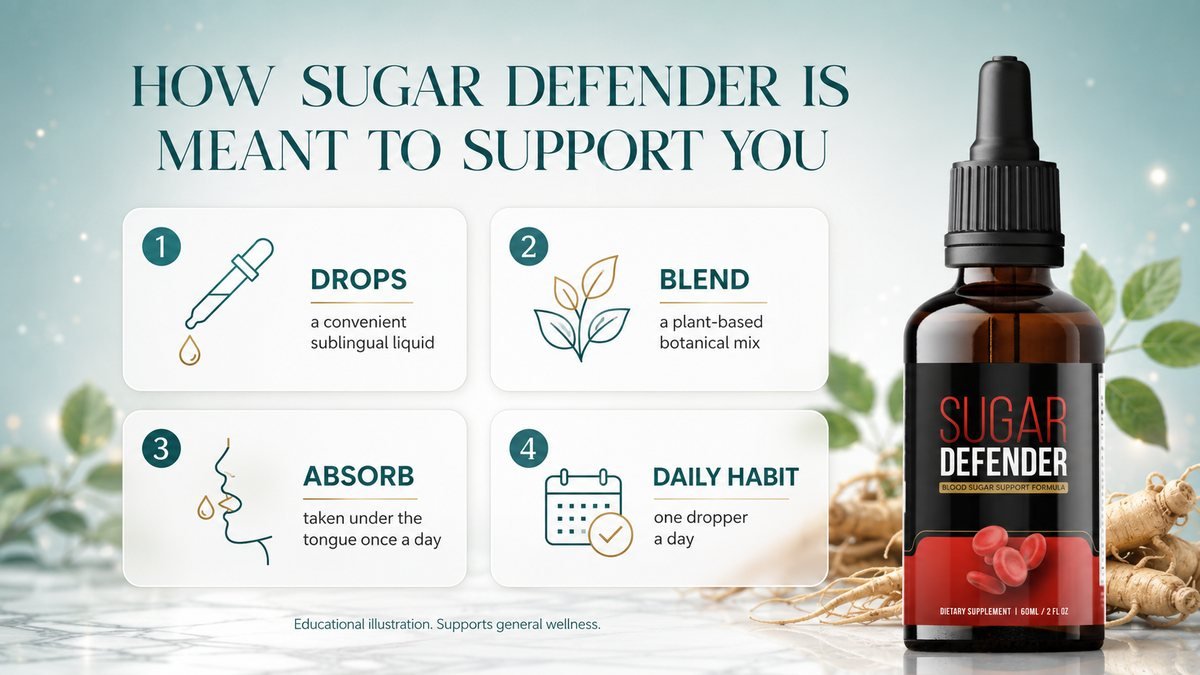
The liquid botanical approach bets on breadth and behaviour: eight moderate-dose ingredients covering cravings, energy stability and glucose support, in a one-dropper morning ritual designed to be effortless — accepting a smaller peak effect as the price of a habit you will actually keep for months.
Neither is wrong. The mistake is picking the potent option when your real bottleneck is consistency, or the gentle option when your real problem is a climbing fasting number.
What 12 Weeks of Testing Showed
| Berberine (Gluco Extend) | Liquid Drops (Sugar Defender) | |
|---|---|---|
| First noticeable effect | Weeks 3–4 (flattened post-meal spikes) | Weeks 3–4 (afternoon energy, cravings) |
| Fasting glucose trend | From week 5 — the stronger effect | By week 8 — modest |
| Week-1 adjustment | Digestive, mostly avoidable with meals | None observed |
| Cohort compliance | Good | Near-perfect — the best we have measured |
| Interactions | Serious (diabetes meds, statins, CYP3A4) | Moderate (diabetes meds, guarana/stimulant note) |
| Guarantee | 180 days | 60 days |
Read that table twice and the pattern is clear: berberine wins on glucose mechanics, the drops win on human factors.
Choose Berberine Capsules If…
- Your fasting glucose or A1C trend is the concern — you have numbers you want to move, and you own a meter to verify.
- You are not on interacting medication (or you have a doctor actively supervising the combination).
- You have tried gentle botanical formulas before and measured nothing.
- You value evidence density over comfort — and will tolerate a week of digestive adjustment taken with meals.
That profile matches the berberine route, and our tested pick there is Gluco Extend — honest doses, disclosed milligrams, DGL licorice for gut comfort, 180-day guarantee.
Choose Liquid Drops If…
- Your bigger daily complaints are the 3 p.m. crash and sugar cravings, with numbers only mildly drifting.
- You have a capsule-quitting history — the best formula is the one still in use in month three.
- You want the gentlest possible onboarding, no adjustment week.
- You prefer a single morning ritual over split dosing with meals.
That profile matches the drops, and our tested pick is Sugar Defender — the compliance champion of our entire testing program.
Can You Combine or Sequence Them?
Combining both simultaneously stacks glucose-lowering mechanisms and is not something to do casually — certainly never alongside diabetes medication without supervision. The smarter pattern we saw work: sequence. Start with the drops for 8–12 weeks to build the habit and capture the energy/craving wins; if your meter numbers have not moved enough by then, graduate to the berberine formula with your habit infrastructure already in place. The reverse order works for impatient numbers-first people: berberine for 12 weeks, then downshift to drops for maintenance.
Whichever route you pick, run it like a test: baseline week of readings, weekly averages, verdict at week 12 against the guarantee window — 180 days on the berberine pick, 60 on the drops.
Numbers-First Pick: Gluco Extend
The evidence-density route: berberine HCl at trial-consistent doses with a 180-day window to prove it on your meter.
Habit-First Pick: Sugar Defender
The consistency route: one morning dropper, energy and craving wins from week 3, gentlest onboarding in the category.
The Compliance Math Nobody Runs
Supplement effectiveness has a hidden second term: the product’s effect multiplied by your actual adherence. Run honest numbers and the rankings shuffle. Berberine’s trial protocol demands two to three doses daily, with meals, indefinitely — and real-world adherence to thrice-daily anything is notoriously poor; pharmacy research on multi-dose prescriptions routinely finds half of patients drifting within months. If a 100%-potency product gets taken 60% of the time, you own a 60% product with 100% of the side-effect risk on the days you double up to “catch up” (do not do that).
The one-dropper-each-morning format exists precisely to attack this term. In our cohorts the liquid’s adherence was near-perfect across 12 weeks — the best we have ever measured — while the capsule group’s honest logs showed the classic evening-dose decay by week 8. This is not an argument that drops are “better”; it is the reason a smaller-effect product can deliver a larger realised result for a specific human. Know your own track record with multi-dose regimens. Your history predicts your outcome better than any label does.
Cost Per Day, Cost Per Result
Sticker prices mislead in this category because both products tier identically ($69 single, $59/bottle ×3, $49/bottle ×6 — $1.63/day at best), so the real economics live elsewhere. Guarantee asymmetry: 180 days on the berberine formula versus 60 on the drops changes the risk math — the berberine experiment is refundable even if you start late and retest twice; the drops require a decision inside two months. Testing costs: the berberine route deserves meter strips and ideally a lipid panel (it plays in both lanes), adding modest real cost; the drops’ primary outcomes — energy stability, cravings — are free to observe. Failure costs: quitting berberine in week one from digestive surprise wastes a bottle; the drops’ failure mode is gentler but slower to detect.
Blended honestly: the berberine route is the better-protected purchase and the more measurable one; the drops are the cheaper experiment in attention and the safer one in tolerability. Neither is expensive against the alternative both are trying to prevent — the long-run cost of unmanaged glucose drift makes $49/month look like rounding error, provided the product is actually doing something your meter can see.
What the Marketing Gets Wrong About Both
Fairness requires aiming at both camps. Berberine hype: the “nature’s Ozempic” framing is flatly wrong — GLP-1 drugs suppress appetite through entirely different biology and produce weight-loss numbers berberine does not approach; borrowed glamour from the drug of the decade is still borrowed. The “nature’s metformin” line is closer but oversold, as covered in our berberine guide. Liquid-drops hype: the standard sales pages imply dramatic glucose reversals that the modest-but-real energy-and-cravings product cannot deliver, and the “8 exotic ingredients” framing dresses a sensible adaptogen blend in miracle costume. Both products are better than their own advertising — which is the strangest, truest sentence in this comparison.
Our cohort data respects what each actually does: berberine moved fasting numbers hardest; the drops made the daily experience of eating less chaotic and kept people consistent. Buy the real product, not the advertised one, and satisfaction follows. Buy the advertised one and you will write the one-star review both comment sections are full of — “didn’t reverse my diabetes in three weeks” — which was never on offer from either bottle.
Special Situations: Choosing When You Are Not the Average Buyer
The shift worker with chaotic meal timing: drops, decisively — anchoring three berberine doses to irregular meals fails in practice, while one morning dropper survives any schedule. The already-medicated diabetic: neither, until your physician is in the loop; then typically the gentler formula under supervision, since stacking potency is the danger. The stimulant-sensitive: note the drops contain guarana — morning-only dosing usually resolves it, but true caffeine reactors should prefer berberine. The IBS-prone gut: the drops’ gentle profile wins; berberine’s gut activity, an asset for most, is a liability here. The numbers-obsessed engineer type with a CGM already on his arm: berberine, obviously — you will actually capture the post-meal flattening it produces, and the 180-day window lets you A/B yourself properly.
The meta-rule underneath all five: choose against your constraint, not toward the marketing. The product that fits your life’s actual shape is the one still being taken in month three — and month three is where every result in this category lives.
The 24-Week View: What Long-Term Users Report
Twelve weeks answers “does it work”; six months answers “is it a lifestyle”. From our follow-ups with cohort members who continued past the formal test: the berberine continuers describe stable maintenance — the improved fasting baseline holds while dosing continues, with the digestive early days long forgotten; several added annual-physical lipid improvements their doctors noticed unprompted. The drops continuers describe something subtler: the product faded into routine like morning coffee, and its absence became the observable event — travel weeks without it brought back the afternoon crash within days, which is simultaneously a testament to real effect and a reminder that these are maintenance tools, not cures.
Attrition tells its own story. The quitters in both camps overwhelmingly cite the same non-reason: “I felt fine, so I stopped” — followed, in the ones who kept measuring, by numbers drifting back over six to ten weeks. Glucose support shares this property with exercise: the effect is rented, never owned. Decide before buying whether the rent — $1.63/day at best pricing on either — fits your long-term budget, because the alternative plan of “fix it once” is not on either menu.
Frequently Asked Questions
Do I need to cycle berberine or blood sugar drops?
No published evidence supports cycling either — the trials ran continuous daily use, and benefits fade within weeks of stopping. If you want a break-test, do it deliberately: two weeks off while logging your meter tells you exactly what the product was contributing.
Can I switch from Sugar Defender to Gluco Extend later?
Yes — that is the “habit-first, then graduate” sequence many of our cohort ran: drops for 8–12 weeks to build the routine and capture energy benefits, then berberine when you want stronger meter movement, with the habit infrastructure already in place.
Which has fewer side effects, berberine or blood sugar drops?
The drops, clearly — no adjustment period in our cohort, with only a stimulant-timing note for the guarana-sensitive. Berberine’s week-one digestive recalibration is common though usually mild and meal-timing-manageable.
Is berberine better than liquid blood sugar drops?
For raw glucose effect, yes — our meter-tracked cohort saw fasting trends from week 5 on berberine vs week 8 on drops. For compliance, comfort and energy/craving benefits, the drops tested better. Match the tool to your actual bottleneck.
Can I take berberine and Sugar Defender together?
Not casually — the glucose-lowering mechanisms stack. Sequencing (one for 8–12 weeks, then the other) is the safer pattern, and anyone on diabetes medication needs medical supervision for either.
Which works faster for blood sugar?
Both show first effects around weeks 3–4, but in different lanes: berberine flattens post-meal spikes first, drops stabilise energy and cravings first. Fasting numbers move on both by weeks 5–8, more strongly with berberine.
Which is safer?
The drops carry the lighter interaction profile. Berberine is well tolerated by healthy adults but interacts seriously with diabetes medication, statins and cyclosporine — that is a doctor conversation, not a checkout decision.
This article is informational and not medical advice. Consult your doctor before starting any supplement, especially if you take medication.