
Written by: Malkiat Singh
Editorial accuracy: Each formula checked against its published label and the cited research by the MHA editorial team
Published: July 24, 2026 | Last Updated: July 24, 2026 | Next Review: October 2026
⏱️ 60 min read | 📄 ~17,000 words | ✓ Editorially Reviewed | ⓘ Affiliate Disclosure
Home » Blood Sugar » Best Blood Sugar Supplements 2026
An honest, in-depth look at which blood-sugar supplements are actually worth considering — what the research genuinely supports, which formulas are underdosed or off-target hype, and the point every ad skips: no supplement replaces medication, medical care, or the lifestyle changes that do the real work.
If your last lab result put your fasting glucose or A1c a little higher than you’d like, or your doctor used the word “prediabetes,” you’ve probably wondered whether a blood-sugar supplement could help. The ads promise a lot — “healthy glucose in days,” “melt away cravings,” “support already-healthy blood sugar” — and the category is enormous. The reality is more nuanced, and getting it right matters for both your wallet and your health.
Here’s the honest summary up front: most over-the-counter blood-sugar supplements produce modest effects at best, several are underdosed or padded with off-topic ingredients, and none of them is a treatment for or a replacement for diabetes medication or medical care. A small number of ingredients — berberine most of all — have genuinely encouraging human data. Many products bury those good ingredients inside hidden “proprietary blends” you can’t verify. This guide ranks five popular options honestly, goes deep on each, explains what every ingredient actually does, and is blunt about the limitations.
This is editorial analysis from health writers and researchers, not medical advice. If your numbers are elevated — and especially if you already take a glucose-lowering medication — the right first step is a conversation with your doctor, not a bottle. Several of these ingredients can lower blood sugar, and stacked on top of medication they can push you into hypoglycemia. Please read the safety notes below before you buy anything.

🏆 Our Top Picks at a Glance
GlucoBerry
The cleanest, most focused formula of the group — just four on-topic ingredients (maqui, gymnema, chromium, biotin), no stimulant filler, and a 180-day guarantee. Best signal-to-noise.
Gluco Extend
The only formula built around berberine — the strongest-evidence glucose ingredient — plus gymnema and a carb blocker. Great roster, but hidden doses mean unverifiable amounts.
Gluco6
One capsule a day with a few legitimate ingredients (gymnema, chromium, cinnamon) — but a ~570 mg blend padded with a stimulant and a marketing buzzword, and likely underdosed.
Sugar Defender
A convenient dropper liquid — but a 24-ingredient adaptogen/energy/weight blend wearing a blood-sugar label, with hidden doses and the worst counterfeit-site problem here.
Cholibrium
The most transparent formula and the longest guarantee (365 days) — but it’s a cholesterol/heart mushroom blend, not a blood-sugar product. Included for honesty.
Why You Should Trust This Review
Our approach is simple and consistent. We read each product’s ingredient list, compared every ingredient and disclosed dose against the published human research on glucose control, and weighted formulas that use well-studied ingredients at transparent, meaningful doses over those that hide amounts inside undisclosed blends or lean on ingredients with little glucose evidence. When a product claims third-party testing but names no lab and publishes no certificate, we treat that claim as unverified — because you can’t act on a promise you can’t check.
How we make money — and how we keep it honest. Every product on this page is sold through an affiliate program, and we may earn a commission on any of them. We’re not going to pretend otherwise or hide behind one “sponsored” pick. The ranking reflects the evidence and the transparency of each formula, not the payout: the cleanest, best-supported formula sits at the top, and the ones that rely on marketing over data sit lower — with the reasons spelled out. We even include one product (Cholibrium) mainly to warn you that it’s mislabeled for this category.
Our limitations, stated plainly. We’re health writers and researchers, not physicians, and this is editorial analysis rather than clinical advice. We did not run independent lab assays; none of the five publishes a genuine third-party certificate of analysis, so our evaluation rests on published ingredient lists, manufacturer documentation, and the peer-reviewed research on each ingredient. Most importantly: blood-sugar supplements are not a treatment for diabetes, and if your numbers are elevated or you take medication, this article should point you toward a doctor — not away from one.
📑 In This Guide
- Do Blood Sugar Supplements Actually Work?
- Prediabetes vs. Diabetes & When to See a Doctor
- How We Evaluated Each Product
- Quick Comparison Table
- The Five Formulas Reviewed (In Depth)
- Key Ingredients Deep Dive
- Natural Ways to Support Healthy Blood Sugar
- What You Should Know Before Buying
- How to Choose the Right One for You
- Who Should Avoid These Supplements
- Frequently Asked Questions
- Sources & References
Do Blood Sugar Supplements Actually Work?
This is the question every honest guide should answer before recommending anything, and the truthful answer is: it depends almost entirely on the specific ingredient and its dose — and for most products in this category, the effect is modest at best.
“Blood sugar supplement” is a marketing category, not a medical one. These products don’t contain any drug that manages diabetes; that would make them prescription medications. Instead they contain botanicals, minerals, and plant extracts proposed to nudge glucose metabolism — mostly by slowing how fast carbohydrates are absorbed, supporting how cells respond to insulin, or blunting post-meal spikes. The effect sizes in the research are generally small, and they show up most in people who start with elevated glucose or a nutrient deficiency.
There is one genuine standout. Berberine, a plant alkaloid, has produced reductions in HbA1c and fasting glucose broadly comparable to the diabetes drug metformin in several trials and a meta-analysis. [1][2][3] That’s a remarkable thing to be able to say about a supplement ingredient — with real caveats: the trials are mostly small, short, and from China, berberine causes frequent GI side effects, and it interacts with medications. After berberine, the evidence steps down quickly: gymnema, fenugreek, and magnesium (mainly in deficient people) have moderate signals; chromium, cinnamon, bitter melon, and alpha-lipoic acid are mixed-to-modest. [4][5][7][9][10][11] Keep that hierarchy in mind as you read the reviews below — because most of the products lead with weaker ingredients and hide the doses of the good ones.
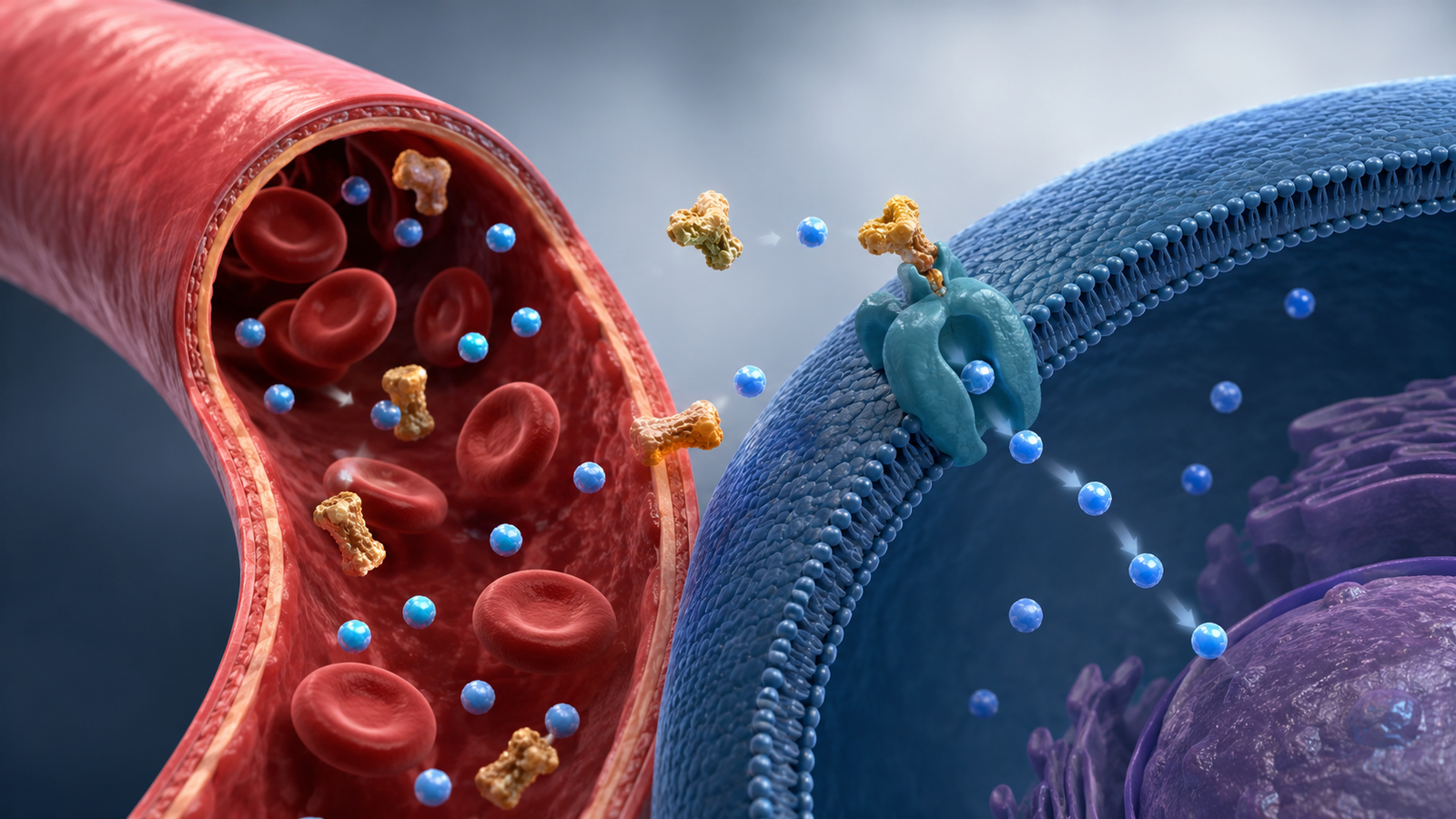
What these supplements can and can’t do
Set the right expectation and you’ll be far happier with the outcome. At best, a well-chosen, well-dosed supplement — a real berberine dose, say — may take a modest edge off elevated glucose over a few months as one part of a broader plan. For someone in the prediabetic range who is also improving diet and activity, that can be a meaningful contribution.
What no supplement on this page — or any page — can do is treat diabetes, replace metformin or insulin, or substitute for medical monitoring. It cannot fix the effects of a poor diet, and it will not “activate” its way past excess weight and inactivity. And in the single most important caveat of this whole guide: layered on top of a glucose-lowering medication, these ingredients can drive your blood sugar too low. That’s why the honest version of this conversation always comes back to your doctor and your lifestyle first, and a supplement — if at all — a distant third.
Prediabetes vs. Diabetes & When to See a Doctor
Understanding your actual numbers helps you set realistic expectations — and tells you when a supplement is beside the point. Blood sugar status is defined by standard thresholds (American Diabetes Association criteria):
| Marker | Normal | Prediabetes | Type 2 Diabetes |
|---|---|---|---|
| Fasting glucose | Below 100 mg/dL | 100–125 mg/dL | 126 mg/dL or higher |
| HbA1c | Below 5.7% | 5.7–6.4% | 6.5% or higher |
| 2-hr glucose (OGTT) | Below 140 mg/dL | 140–199 mg/dL | 200 mg/dL or higher |
A diabetes diagnosis normally requires confirmation on a second test. Prediabetes is extraordinarily common — the CDC estimates roughly one in three U.S. adults has it, and more than 80% don’t know. Left unaddressed, it often progresses to type 2 diabetes. The good news is that this is the stage where lifestyle change (and, in some cases, a supplement as a minor adjunct) has the most to offer.
Why a supplement is the wrong first move if your numbers are high
If you’re in the diabetic range, or already on medication, a supplement is not the tool — proper medical management is, and it works far better. Metformin, GLP-1 medications, and insulin act on defined mechanisms with strong evidence and monitoring behind them. Adding an unverified supplement on top can complicate that management and, because several of these ingredients lower glucose themselves, can risk hypoglycemia. Diagnosed diabetes needs a clinician, not a checkout page.
🚩 See a doctor — don’t rely on a supplement — if you have:
- Excessive thirst, frequent urination, or unexplained weight loss
- Blurred vision, persistent fatigue, or slow-healing sores / frequent infections
- Numbness or tingling in the hands or feet
- Signs of low blood sugar — shakiness, sweating, confusion, palpitations (especially if you take medication)
- A fasting glucose ≥126 mg/dL or A1c ≥6.5%, or any diagnosed diabetes
- You already take a glucose-lowering medication and want to add a supplement — clear it first
If your numbers are only mildly elevated, your symptoms are absent, and you’re not on medication, a supplement alongside real lifestyle work is a reasonable, low-stakes experiment — with realistic expectations and a plan to recheck your labs. For a deeper walkthrough, see the natural ways to support healthy blood sugar section below.
How We Evaluated Each Product
Every product was scored against five weighted criteria.
1. Ingredient Evidence Quality (30%)
Does each ingredient have human research behind it for glucose control — and is it a genuine blood-sugar ingredient rather than an energy, adaptogen, or weight-loss herb wearing a glucose label? Formulas built on the better-supported ingredients (berberine, gymnema) scored higher.
2. Dose Transparency (25%)
Are individual doses disclosed, or hidden behind a proprietary blend? In this category dose is the whole ballgame — berberine at 200 mg and at 1,500 mg are functionally different products. Transparency was heavily rewarded, because it’s rare here.
3. Manufacturing & Testing Claims (20%)
We looked for GMP-certified manufacturing and, ideally, genuine third-party testing with a named lab or certificate. “Made in an FDA-registered facility” describes the factory, not the product, so we gave that phrase little weight on its own.
4. Value & Guarantee (15%)
Cost per bottle relative to formula quality, plus the strength of the refund policy. We also flag where affiliate sites misreport the guarantee length, so you’re planning around the real number.
5. Honesty of Marketing (10%)
We marked down products that lean on invented mechanisms, manufactured urgency, stimulant-driven “energy” testimonials mistaken for glucose control, or a swarm of look-alike “official” websites.
Quick Comparison Table
| Product | Best For | Doses Disclosed | Guarantee | Score |
|---|---|---|---|---|
| GlucoBerry | Cleanest focused formula | No (cited only) | 180 days | 3.9 |
| Gluco Extend | Contains berberine | No (prop. blend) | 180 days | 3.7 |
| Gluco6 | Simplest daily capsule | No (~570 mg blend) | 60 days | 3.3 |
| Sugar Defender | Convenient liquid drops | No | 60 days | 3.2 |
| Cholibrium | Heart/cholesterol (off-category) | Partial | 365 days | 3.1 |
Note: None of the five publishes a genuine third-party certificate of analysis from a named lab. All are sold primarily through direct “official site” funnels. Scores reflect ingredient evidence and transparency for blood-sugar support specifically.
The Five Formulas Reviewed (In Depth)
Below is a full, honest read on each product — what it is, how it works, an ingredient-by-ingredient breakdown, pricing and guarantee, reputation, and exactly who it fits. We’ve ordered them by our overall score, which is driven mostly by ingredient evidence and dose transparency for glucose support. Remember the backdrop for all five: even the best-supported ingredient (berberine) produces modest effects from limited trials, and none of these products replaces medication or medical care.
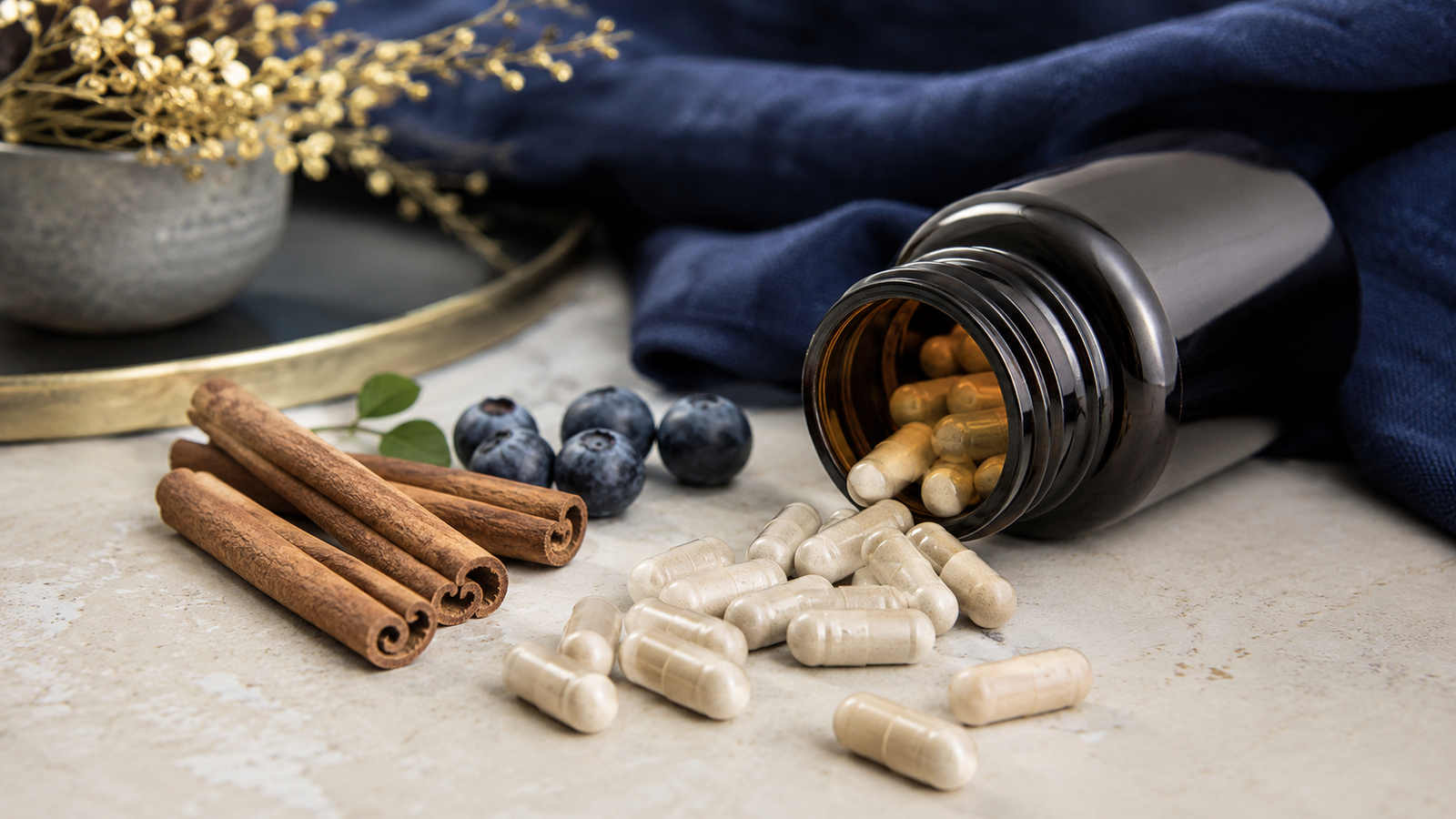
GlucoBerry — Best Overall for Blood Sugar
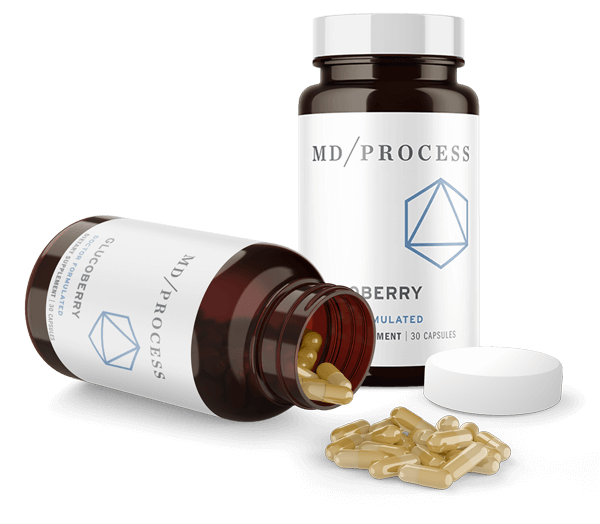
Quick Verdict: GlucoBerry earns our top spot not because it is flashy, but because it is disciplined. Where most blood sugar formulas bury four useful ingredients inside a dozen filler botanicals, GlucoBerry ships just four — Maqui Berry, Gymnema, Chromium, and Biotin — with no stimulants and no kitchen-sink padding. Two of those four have genuine (if modest) glucose evidence. The catch: the brand leans on an invented “Blood Sugar Drain” story, never prints a verified supplement-facts panel, and names no third-party lab. Best signal-to-noise of the five we compared, held back by unconfirmed dosing rather than bad ingredients.
What It Is
GlucoBerry is a once-daily capsule sold in bottles of 30 — a clean 30-day supply with none of the “take four capsules twice a day” gymnastics that make some competitors feel like a part-time job. It is fronted by a physician, Dr. Mark Weis, whose name and face anchor most of the marketing. That doctor-endorsement framing is worth flagging up front: a familiar, trustworthy face selling a supplement is a persuasion technique as much as a credential, and we weight the formula and the evidence far more heavily than we weight who is holding the bottle in the sales video.
The product positions itself as blood sugar “support” — a phrase that matters. GlucoBerry is a dietary supplement, not a medication, and nothing about it is designed to replace metformin, insulin, or the guidance of the clinician who actually manages your numbers. We say this once here and mean it throughout the review: supplements in this category are modest adjuncts at best. They are the thing you add on top of sleep, movement, fiber, and medical care — never the thing you swap in for any of them. If you take a diabetes medication, that framing is not optional. Several of GlucoBerry’s ingredients can nudge glucose downward, and stacking them on top of a drug that already lowers glucose can push you toward hypoglycemia. Talk to your doctor before you start. That is not boilerplate; it is the single most important sentence in this section.
What sets GlucoBerry apart from the moment you read the label is restraint. Four ingredients. That is it. In a market that rewards ingredient bloat — the illusion that more botanicals equals more power — a four-item formula is almost a statement of confidence, or at least of focus.
How It Works
Here is where honesty has to lead. GlucoBerry’s central marketing hook is something the brand calls the “Blood Sugar Drain” — the idea that a specific, cloggable pathway in your kidneys is responsible for clearing excess sugar from your blood, and that GlucoBerry unclogs it. It is a vivid, sticky image. It is also, as far as established physiology is concerned, a marketing invention. There is no recognized clinical structure called the “Blood Sugar Drain.” Your kidneys do handle glucose — through a real mechanism involving glucose reabsorption transporters — but the tidy “drain that gets clogged and this supplement unclogs” story is a narrative device built to sell bottles, not a pathway you will find in a physiology textbook.
We flag this plainly because the gap between the marketing mechanism and the actual ingredients is the most important thing to understand about this product. The “drain” story is invented. The ingredients, however, are not junk — and they don’t work through any magical drain. They work through ordinary, well-trodden routes: slowing how quickly sugar is absorbed, supporting how cells respond to insulin, and blunting the size of post-meal glucose spikes. So the right way to read GlucoBerry is to mentally discard the drain metaphor entirely and ask a simpler question: do these four ingredients, at plausible doses, do anything useful? For two of them, the answer is a qualified yes.
The Ingredients, One by One
Gymnema Sylvestre (leaf). This is the most interesting inclusion. Gymnema has a long traditional-medicine history and — more usefully — a body of modern clinical data. Meta-analysis of the available trials suggests gymnema can modestly reduce fasting glucose and HbA1c[7]. The honest caveat is that this evidence rests on a small number of small trials, so the effect size and reliability are not on the level of a pharmaceutical. But of the four ingredients here, gymnema is the one with the clearest “this plausibly does something” case, and it is a genuinely on-topic choice rather than a filler botanical.
Chromium. Chromium is one of the most-studied minerals in the blood sugar space, and the meta-analytic picture is consistent if unglamorous: a modest glycemic benefit, concentrated mainly in people who actually have diabetes or poor chromium status to begin with[5]. In other words, it is more likely to help someone whose numbers are already elevated than a metabolically healthy person looking for insurance. The official page cites roughly 600 mcg — a substantial dose — but see the dosing caveat below before you treat that figure as gospel.
Maqui Berry Extract. This is GlucoBerry’s signature ingredient and the source of the “berry” in the name. Maqui is rich in delphinidins, a class of deeply pigmented anthocyanins, and there is preliminary evidence that a delphinidin-rich maqui extract lowered fasting and post-meal glucose in people with prediabetes[12]. We want to be precise about what “preliminary” means: this is a small body of work, and the most cited study is industry-funded. That does not make it worthless, but it does mean the maqui evidence is a promising signal rather than a settled fact. The official page references a study dose around 200 mg.
Biotin. Biotin (roughly 2 mg on the cited materials) rounds out the formula, and here we will simply be direct: the evidence for biotin as a standalone glucose tool is weak. It is a common, cheap inclusion in metabolic formulas, it is safe, and it is not going to move your numbers in any meaningful way on its own. Think of it as the makeweight of the four, not a reason to buy.
Now the caveat that colors all of the above: GlucoBerry does not publish a verified supplement-facts panel. The doses we just quoted — ~200 mg maqui, ~600 mcg chromium, ~2 mg biotin — are the study-linked figures the official page cites, not numbers we could confirm off a photographed, standardized label. That is a real limitation. A formula’s value lives or dies on its doses; an underdosed gymnema or a token sprinkle of maqui would undercut the whole proposition, and without a printed panel we cannot fully verify that the capsules contain what the marketing implies. This is the single biggest asterisk on an otherwise clean formula.
What We Like
- ✓ The cleanest, most focused formula of the five we reviewed. Four ingredients, every one of them on-topic for blood sugar. No proprietary blend hiding the ratios, no random adaptogens padding the label.
- ✓ No stimulant filler. Nothing here to jolt your heart rate or keep you up at night — a genuine relief in a category that loves to sneak in caffeine-like actives.
- ✓ Two ingredients with real evidence. Gymnema and chromium both carry meta-analytic support for modest glycemic benefit[7][5], and maqui adds a preliminary but interesting post-meal signal[12].
- ✓ An exceptionally long guarantee. 180 days, refundable even on an empty bottle — one of the most consumer-friendly return windows we’ve seen.
- ✓ Simple dosing. One capsule, once a day.
Taken together, these are not small virtues. The best thing you can say about a supplement is that it doesn’t waste your money on ingredients that don’t belong, and GlucoBerry passes that test more cleanly than anything else in this roundup. When we score signal-to-noise — useful actives divided by filler — this is the winner, and it isn’t especially close.
Where It Falls Short
- ✗ No verified supplement-facts panel. The doses are cited from studies, not confirmed on a standardized label, so we cannot fully vouch that the capsules are dosed to match the research.
- ✗ The “Blood Sugar Drain” mechanism is invented. It is a marketing metaphor dressed as physiology, and it does the product a disservice by overselling a clean formula with a fake story.
- ✗ No third-party testing disclosed. There is GMP and FDA-registered-facility language, but no named independent lab and no certificate of analysis. That is a meaningful transparency gap.
- ✗ Heavy doctor-endorsement framing. A physician’s face and authority are doing persuasion work throughout the marketing.
- ✗ Discount and urgency tactics. The now-or-never pricing pressure is standard direct-response theater and should be read as such.
- ✗ Biotin is essentially inert here. One of the four ingredients contributes little on the glucose front.
None of these are dealbreakers on their own, but they cluster around a theme: the formula is better than the marketing that surrounds it. The transparency gaps — no panel, no named lab — are the ones we’d most want the brand to fix, because they’re the difference between “probably good” and “verifiably good.”
Pricing & Guarantee
Pricing follows the familiar multi-bottle ladder. A single bottle runs $59. Three bottles cost $177, which works out to $59 each — no per-bottle discount at that tier, just the convenience of not reordering. Six bottles drop to $234, or $39 each, a real 34% saving that plainly rewards commitment. Multi-packs ship free. So the true economics reward the person willing to buy a six-month stack up front, which is a familiar tension in this category: the best price assumes a longer commitment than most first-time buyers are ready to make on a product they haven’t tried.
The guarantee, though, is where GlucoBerry genuinely shines and partly defuses that tension. It offers a 180-day money-back guarantee — a full six months — and honors refunds even on an empty bottle. That is about as buyer-friendly as return policies get in supplements, and it materially lowers the risk of trying the six-pack: if it does nothing for you across half a year, you can ask for your money back. As always, read the actual refund terms on the official page and keep your order confirmation, since the mechanics of any guarantee live in the fine print, not the headline.
Reputation & Marketing
GlucoBerry is a mature direct-response product, and it markets like one. The presentation leans on Dr. Weis’s authority, the memorable “Blood Sugar Drain” hook, and the usual countdown-timer, limited-stock urgency that defines the genre. If you found this product through a long video that spends fifteen minutes building suspense before naming the supplement, you have seen the playbook.
Our read is that the marketing undersells the actual product by wrapping a legitimately clean formula in an invented mechanism and a hard sell. Strip away the theater and you are left with four sensible ingredients and a genuinely generous guarantee — which is a better, more honest pitch than the one the brand actually runs. The reputation caveat is the same one that applies to every product in this space: enthusiastic testimonials and doctor imagery are marketing assets, not evidence, and we did not treat them as proof of anything.
Who It’s Best For
GlucoBerry makes the most sense for someone with mildly elevated or prediabetic-range numbers who wants a focused, no-filler adjunct to genuine lifestyle work — better meals, more movement, more fiber — and who values a long guarantee that lets them test it without much financial risk. Because chromium and gymnema tend to help most in people whose glucose or mineral status is already off, this is more logically suited to that person than to the metabolically healthy shopper buying “just in case.”
It is not the right pick for anyone who requires printed, verified dosing and third-party testing before they’ll commit — those buyers will be frustrated by the transparency gaps. And critically, if you take any diabetes medication, GlucoBerry is not a self-serve decision. The combination of gymnema, chromium, and maqui on top of a glucose-lowering drug is exactly the scenario where hypoglycemia becomes a real risk. Bring the label to your doctor and let them make the call.
Our Honest Take
GlucoBerry is the best formula in this roundup, and it earns that ranking on discipline rather than dazzle. Four on-topic ingredients, no stimulants, no filler, two of them backed by real if modest evidence and one by a preliminary but interesting signal — that is a cleaner proposition than anything else we compared. Pair it with a 180-day, empty-bottle-refundable guarantee and you have a product that is genuinely easy to try and hard to lose money on.
What keeps it at 3.9 rather than higher is not the ingredients — it’s the transparency. The invented “Blood Sugar Drain” story oversells a formula that didn’t need the theater. The absence of a verified supplement-facts panel means we’re trusting cited study doses rather than a confirmed label. And the lack of any named third-party lab leaves a gap that a brand this focused really ought to close. Fix the panel and add a certificate of analysis, and this would be a clear standout. As it stands, it is our top pick with eyes open: the best signal-to-noise formula of the five, weakened by what it won’t show you, not by what it puts in the capsule. Buy it, if you buy it, as a modest adjunct to real medical care — and if you’re on medication, only after your doctor signs off.
Gluco Extend — Best Ingredient Lineup (Contains Berberine)
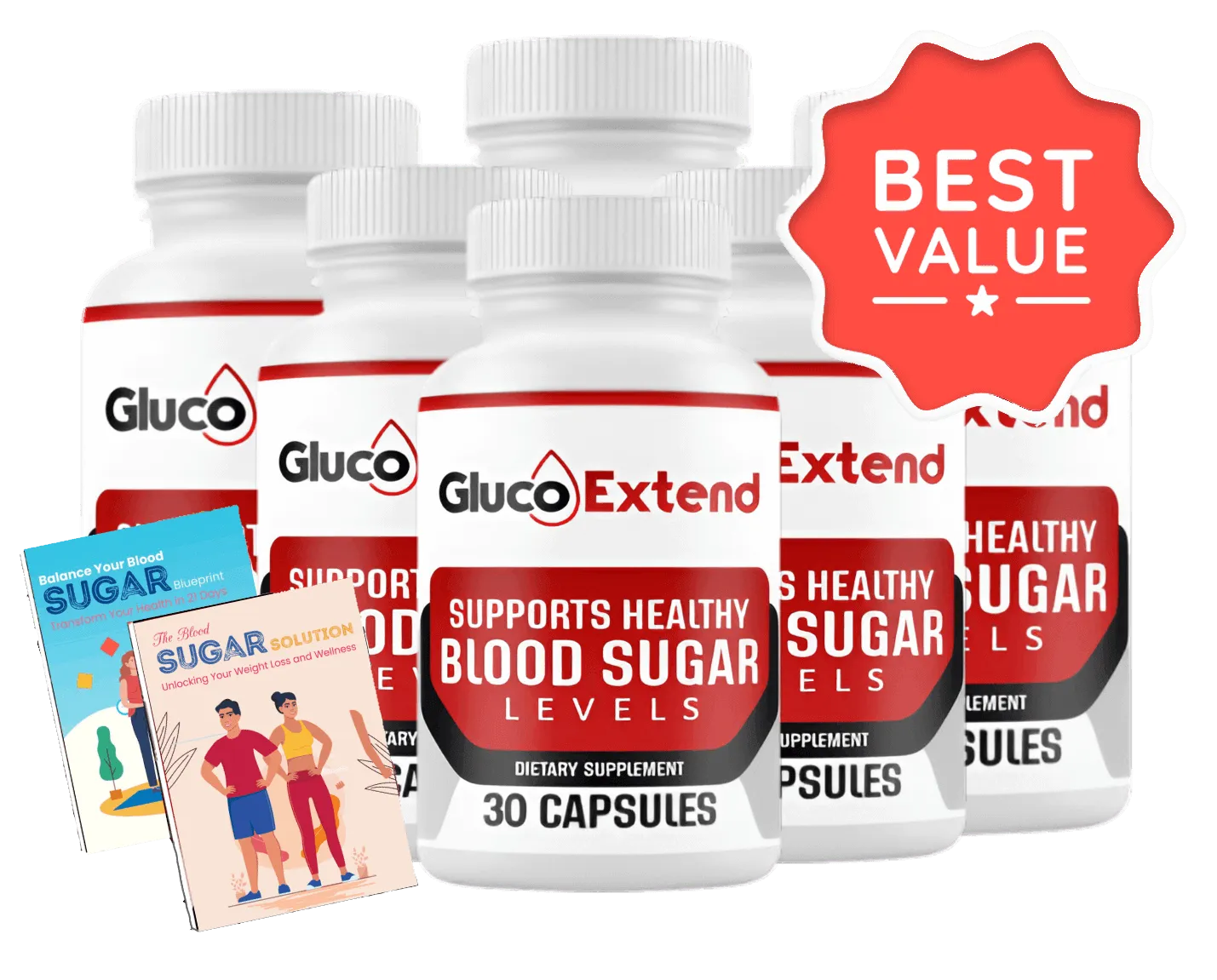
Quick Verdict: Gluco Extend earns our “Best Ingredient Lineup” award for one simple reason: it’s the only product in this roundup built around berberine — the single most evidence-backed natural compound for blood sugar — alongside gymnema, a white-kidney-bean carb blocker, and turmeric. On paper, that’s a genuinely metabolic roster, not fairy dust. The problem is that everything sits inside a hidden “proprietary blend” with no doses disclosed, so we can’t confirm the berberine is anywhere near an effective level. There’s also no third-party testing. This is the classic case of right ingredients, unverifiable amounts: strong potential, weak proof. Promising, but buy with your eyes open.
What It Is
Gluco Extend is a capsule-based blood sugar support supplement sold direct-to-consumer through a ClickBank affiliate funnel. Its marketing leans hard on a “sweet flower extract” angle and the phrase “clinically proven,” wrapped in the usual glossy sales-page presentation you’d expect from this corner of the supplement world. Strip away the copy, though, and what’s underneath is more interesting than most of its competitors: this is a formula that actually names some real metabolic ingredients rather than hiding behind a generic “herbal blend.”
The catch — and it’s a significant one — is that all of it is packaged as a proprietary blend of 11-plus ingredients with no individual doses disclosed. You’re told what’s in the bottle, but not how much of anything. That single decision shapes our entire assessment, because in blood sugar supplements, dose is the whole ballgame. An ingredient at 50 mg and the same ingredient at 1,000 mg are, functionally, two different products. Gluco Extend won’t tell you which one you’re getting.
The official ingredient panel lists Berberine HCl, Gymnema Sylvestre, Turmeric/Curcumin, White Kidney Bean Extract, and Cocoa Extract as its named actives. A number of affiliate reviews floating around online also claim it contains bitter melon, alpha-lipoic acid, chromium, vanadium, and zinc — but we could not confirm any of those against the official label, so we’re treating them as unverified and not scoring the product on their presence. When affiliate copy and the actual panel disagree, we go with the panel.
How It Works
The theory behind Gluco Extend is more coherent than most, and it hinges almost entirely on berberine. Berberine is a plant alkaloid that has been studied specifically for glucose control, and its proposed mechanism is genuinely pharmacological: it appears to activate an enzyme called AMPK (often described as a “metabolic master switch”), improve insulin sensitivity, and reduce glucose production in the liver. In head-to-head trials, berberine has produced reductions in HbA1c and fasting glucose broadly comparable to metformin, a first-line diabetes drug[1][3]. That is a remarkable thing to be able to say about a supplement ingredient, and it’s why berberine — not the “sweet flower extract” branding — is the real story here.
The supporting cast is built to attack blood sugar from other angles. Gymnema sylvestre is an herb traditionally used to blunt sugar cravings and support glucose handling. White kidney bean extract is a carbohydrate (starch) blocker — it’s thought to inhibit the enzyme that breaks starch into sugar, so fewer carbs get absorbed from a meal. Turmeric/curcumin and cocoa extract round things out as general anti-inflammatory and metabolic-support ingredients rather than direct glucose agents. Stacked together, the pitch is: reduce the glucose your body makes, block some of the carbs you eat, and support the underlying metabolic environment.
It’s a sensible design. The fatal question — again — is dosing. The published berberine trials that produced those metformin-like results used roughly 1,000 to 1,500 mg per day, split into two or three doses taken with meals. That’s a lot of material. When berberine has to share space with ten-plus other ingredients inside a single daily capsule dose, the arithmetic gets unforgiving: it is very difficult to fit a clinical berberine dose into a shared proprietary blend without the capsule count or the label giving it away. Because Gluco Extend discloses neither the dose nor an honest daily-serving breakdown, our working assumption is that the berberine is almost certainly underdosed relative to the research. We’d love to be proven wrong — but the label gives us no way to verify it.
The Ingredients, One by One
Berberine HCl. This is the reason the product exists on our “best lineup” shortlist. Of everything in the entire blood sugar supplement category, berberine has the strongest human evidence for actually moving glucose numbers. Randomized trials (Yin 2008[1], Zhang 2008[2]) and a later meta-analysis (Lan 2015[3]) found reductions in fasting glucose and HbA1c comparable to standard oral hypoglycemic drugs. But honesty demands the fine print: those trials are mostly small, short, and conducted in China, which limits how confidently we can generalize the results. Berberine also has real downsides — GI side effects like diarrhea and cramping are common, its oral bioavailability is poor (your body absorbs a frustratingly small fraction of what you swallow), and it interacts with medications. It can add to the glucose-lowering effect of metformin and push you toward hypoglycemia, and it can affect how statins are metabolized. Berberine is powerful precisely because it behaves a bit like a drug — which means it deserves a drug’s level of caution.
Gymnema Sylvestre. A long-used botanical with a modest but real evidence base for supporting glucose control and reducing sugar cravings; a meta-analysis has looked at its effects on glycemic markers[7]. It’s a reasonable, defensible inclusion — a genuine supporting player rather than filler.
White Kidney Bean Extract. A carbohydrate/starch blocker with a plausible mechanism but limited human evidence for meaningful blood-sugar impact. It may take the edge off a starchy meal, but we wouldn’t build any expectations around it. Treat it as a minor supporting ingredient, not a driver.
Turmeric / Curcumin. Widely studied for inflammation and general metabolic health, but it is not a proven glucose-lowering drug. It’s a supportive addition, not a blood sugar workhorse. Curcumin is also notoriously poorly absorbed unless paired with something like piperine — and the label doesn’t tell us whether it is.
Cocoa Extract. Contains flavanols associated with cardiovascular and general metabolic benefits in the research, but again, this is broad “good for you” territory, not a targeted glucose intervention. A nice-to-have, not a reason to buy.
Taken as a whole, this is a legitimately metabolic roster — the best on-paper collection of the five products we reviewed. The berberine-plus-gymnema-plus-carb-blocker core is exactly what a thoughtfully designed glucose supplement should look like. The tragedy is that the proprietary blend keeps us from knowing whether that design is realized in the actual capsule.
What We Like
- ✓ It contains berberine — the single strongest real glucose-support ingredient in this entire category, and the one thing that genuinely separates Gluco Extend from its competitors.
- ✓ A coherent, genuinely metabolic roster: berberine, gymnema, a white-kidney-bean carb blocker, and turmeric attack blood sugar from complementary directions.
- ✓ Named actives on the official panel rather than a fully anonymous “herbal complex” — at least you know the headline ingredients.
- ✓ A long 180-day money-back guarantee, one of the more generous return windows we’ve seen.
- ✓ Gymnema and the berberine core are backed by actual human trials[1][3][7], not just tradition and testimonials.
Credit where it’s due: whoever formulated this understood what the good ingredients are. On concept alone, it’s the strongest lineup in our roundup, and the six-month guarantee suggests at least some confidence behind the product.
Where It Falls Short
- ✗ Proprietary blend, zero disclosed doses. You cannot tell how much berberine — or anything else — you’re actually getting. This is the deal-breaker.
- ✗ Berberine is almost certainly underdosed. Effective doses run ~1,000–1,500 mg/day split across meals; that’s very hard to fit into a shared 11-ingredient blend without it showing on the label.
- ✗ No third-party testing stated. No independent verification of purity, potency, or that the label matches the bottle.
- ✗ Marketing hype: the “clinically proven sweet flower extract” framing oversells the science and leans on discount-countdown urgency.
- ✗ Ingredient list discrepancies: affiliate reviews cite actives (chromium, ALA, bitter melon, vanadium, zinc) we couldn’t confirm on the official panel — a transparency red flag.
Every one of these traces back to the same root problem: a lack of transparency. Good ingredients you can’t measure are only as trustworthy as the company hiding the numbers, and hidden dosing plus no testing is a lot to ask a buyer to take on faith.
Pricing & Guarantee
Gluco Extend uses standard multi-bottle tiered pricing designed to push you toward a larger commitment. At regular price, a single bottle runs $99. The discounted packages are: 2 bottles for $158 ($79 each), 3 bottles for $207 ($69 each), and 6 bottles for $294 ($49 each). As with most supplements in this space, the per-bottle price drops steeply as you buy more, and the sales page frames the six-bottle order as the “best value” while a countdown timer implies the deal is fleeting — familiar urgency tactics that should be treated as marketing, not a real deadline.
The genuine bright spot is the 180-day money-back guarantee. Six months is long enough to actually try the product, monitor your glucose readings, and decide whether it’s doing anything — and to request a refund if it isn’t. That materially lowers the financial risk of trying it. Just confirm the exact refund terms (whether it covers opened bottles, who pays return shipping) before ordering multiple bottles, and keep your order records. A long guarantee is only as good as how smoothly the company honors it.
Reputation & Marketing
Gluco Extend is sold through a ClickBank affiliate model, which means much of what you’ll find about it online is written by people paid a commission on each sale. That’s worth keeping front of mind when you encounter glowing reviews — including the ones that list ingredients the official label doesn’t confirm. The product’s own marketing centers on a “sweet flower extract” hook and the loaded phrase “clinically proven,” language that outruns what the actual evidence supports. Individual ingredients like berberine have real research behind them; the finished proprietary blend, at its undisclosed doses, has not been clinically tested as a product. Those are very different claims, and the marketing blurs the line.
Combined with the discount-countdown urgency and the absence of any stated third-party testing, the overall presentation reads as a conversion-optimized sales funnel first and a transparent health product second. None of that means the ingredients are bad — they aren’t — but it does mean you should weight the marketing at close to zero and judge the product on its label alone.
Who It’s Best For
Gluco Extend makes the most sense for someone who specifically wants a berberine-forward, multi-ingredient metabolic supplement and values having gymnema and a carb blocker in the same capsule, and who is reassured by the six-month guarantee enough to try it and track their own results. If you’re going to experiment with a blood sugar supplement at all, the ingredient concept here is more defensible than most.
That said, if getting a verified, effective berberine dose is your goal, you may be better served by a standalone berberine product that clearly lists ~500 mg per capsule and is third-party tested — that way you know exactly what you’re taking. And critically: if you take any diabetes medication (metformin, insulin, sulfonylureas) or statins, do not start this without talking to your doctor first. Berberine can stack with glucose-lowering drugs and push you into hypoglycemia, and it can interfere with how statins are processed. This is not a hypothetical concern; it’s the most important safety note in this entire review.
Our Honest Take
Gluco Extend is the most frustrating product in this roundup — and it’s frustrating precisely because it’s so close to being genuinely good. It has the best ingredient roster of the five, built around berberine, the one natural compound in this category with drug-comparable evidence for lowering glucose[1][3], supported by gymnema[7] and a carb-blocking mechanism. On paper, this is what a serious blood sugar supplement should look like.
But a supplement isn’t its paper roster — it’s the doses in the capsule, and Gluco Extend refuses to tell us what those are. Berberine only works at roughly 1,000–1,500 mg a day, and inside a hidden 11-ingredient blend, it is almost certainly present at a fraction of that. Add the missing third-party testing and the overheated marketing, and you’re left with a product that is all potential and no proof. Right ingredients, unverifiable amounts.
Keep your expectations grounded regardless of which supplement you choose: even a well-dosed berberine product is a modest adjunct to diet, exercise, and medical care — not a replacement for a prescribed medication. Gluco Extend earns its “Best Ingredient Lineup” award honestly, and the 180-day guarantee makes a cautious trial low-risk financially. We just can’t call it proven when the company won’t show us the numbers. If they ever disclosed doses and added third-party testing, this could jump toward the top of the category. As it stands: promising, well-conceived, and held back entirely by its own lack of transparency.
Gluco6 — Simplest Daily Capsule
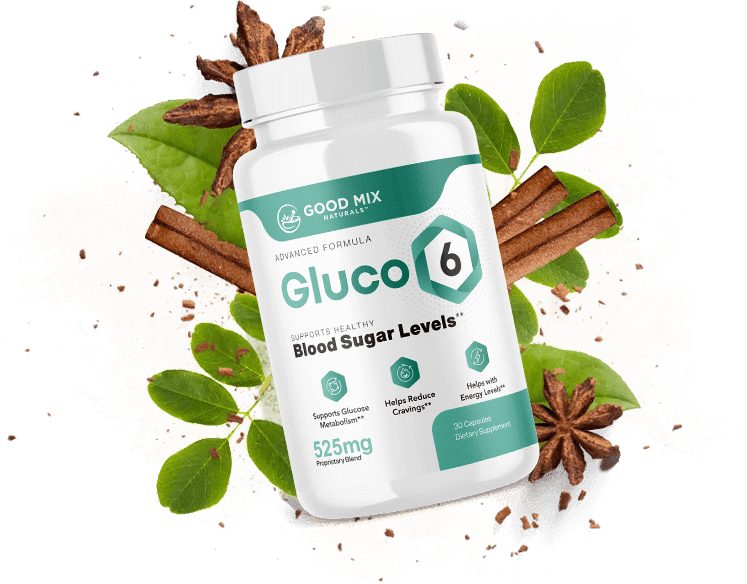
Quick Verdict: Gluco6 wins points for sheer simplicity: one small capsule, once a day, no powders to mix or handfuls of pills to swallow. A few of its six ingredients — gymnema, chromium, and cinnamon — do have legitimate, if modest, research behind them for glucose support. But the whole formula is packed into a roughly 570 mg proprietary blend with the individual doses hidden, which almost guarantees those useful ingredients are underdosed. Two of the six slots are questionable: “Sukre” is a made-up marketing term, and “TeaCrine” is a caffeine-like stimulant that has nothing to do with blood sugar. Add a guarantee that affiliate sites keep misreporting, and you get a product that leans more on hype than substance — though it remains one of the easier daily routines on this list.
What It Is
Gluco6 is a once-daily blood sugar support capsule sold in bottles of 30 — a clean 30-day supply with no complicated dosing schedule. In a category crowded with scoops, chalky drink mixes, and multi-capsule stacks, that minimalism is genuinely refreshing. You take one capsule, ideally with a meal, and you’re done for the day. For anyone who has abandoned a supplement because the routine felt like a part-time job, that low-friction design is a real selling point, and it’s the single biggest reason Gluco6 earns its “Simplest Daily Capsule” award here.
The formula is marketed as “The Super 6” — a set of six ingredients the brand frames as working together to help your body shuttle sugar out of the bloodstream and into cells. The named six are Sukre, TeaCrine, Gymnema, Chromium, Cinnamon, and Green Tea. On paper that’s a reasonable-sounding lineup. The problem, as we’ll get into, is what the label doesn’t tell you: all six are folded into a single proprietary blend of roughly 570 mg, so you never learn how much of each you’re actually getting. That one detail colors everything else about how we evaluate this product.
How It Works
Gluco6’s marketing leans heavily on a “GLUT-4” mechanism angle. GLUT-4 is a real glucose transporter — a protein that helps move sugar from your bloodstream into muscle and fat cells, largely in response to insulin. The pitch is that the Super 6 blend “activates” or “supports” this pathway, essentially helping your body do a better job of getting sugar where it belongs instead of leaving it circulating. It’s a scientifically flavored story, and the underlying biology of GLUT-4 is legitimate.
Where the story gets thin is the leap from “GLUT-4 exists” to “this specific 570 mg capsule meaningfully activates it in you.” Some of the ingredients here — gymnema and chromium in particular — do interact with glucose metabolism and insulin signaling in the research literature. But the effects seen in studies typically come from standardized, clinically relevant doses, not from a fraction of 570 mg split six ways. The honest framing is this: any supplement in this category is, at best, a modest adjunct that might nudge glucose metabolism in the right direction alongside diet and exercise. It is not a substitute for medication, and it will not “activate” its way past poor diet. Treat the GLUT-4 language as a mechanism-flavored marketing hook rather than a promise.
The Ingredients, One by One
Sukre. This is the ingredient that raises our eyebrows first. “Sukre” is a branded, invented marketing term for a “rare sugar” concept — it is not a recognized, evidence-backed glucose-lowering compound. There is no meaningful body of human research showing that a substance sold under this name lowers blood sugar. When a product’s lead ingredient is essentially a proprietary buzzword, that’s a signal to be skeptical, not impressed.
TeaCrine (theacrine). This one is telling. TeaCrine is a caffeine-like stimulant used in energy and focus products — it’s known for boosting alertness and reducing fatigue, not for anything to do with blood sugar. Its presence in a “blood sugar” formula is hard to justify on glucose grounds. What it does do is make people feel something shortly after taking the capsule, which conveniently generates “I have so much more energy!” testimonials that read like the product is working. We’d call this a filler-slash-hype ingredient in this context.
Gymnema. Now we get to the legitimate stuff. Gymnema sylvestre has a real, if limited, evidence base for glucose support, and meta-analyses of the available trials suggest it may modestly help.[7] The important caveats: the studies are few, small, and variable in quality, and the benefits show up at meaningful standardized doses. Whether Gluco6 delivers such a dose inside a shared 570 mg blend is anyone’s guess — and that’s exactly the problem.
Chromium. Chromium is one of the more studied minerals for glucose metabolism. Meta-analyses show a modest effect, concentrated mainly in people who already have diabetes rather than in the general population.[5] It’s a defensible inclusion. But again, effective chromium doses are well-defined, and there’s no way to confirm Gluco6 hits them when the amount is hidden.
Cinnamon. Cinnamon is the crowd-pleaser of blood sugar supplements, and the research is genuinely mixed. Meta-analyses suggest it can lower fasting glucose, but the same analyses generally find no significant effect on HbA1c — the longer-term marker that actually matters most for glucose control.[4] There’s also a safety wrinkle worth flagging: common cassia cinnamon contains coumarin, which in higher amounts has been linked to liver concerns, whereas Ceylon cinnamon is the safer choice. Gluco6 doesn’t specify which type it uses, so you can’t evaluate that risk.
Green Tea. Green tea rounds out the six. While green tea has plenty of general wellness research behind it, we’re not citing it here as a proven glucose-lowering ingredient, because the evidence for that specific claim is not strong enough to hang a recommendation on. In this blend it functions more as a familiar, antioxidant-adjacent name than as a targeted blood sugar tool.
Step back and the pattern is clear: three ingredients with some real glucose relevance (gymnema, chromium, cinnamon), one general-wellness botanical (green tea), one stimulant that doesn’t belong (TeaCrine), and one marketing invention (Sukre) — all crammed into about 570 mg with no individual doses disclosed.
What We Like
- ✓ Genuinely simple: one small capsule, once a day, no mixing or multi-pill routine.
- ✓ Includes three ingredients — gymnema, chromium, and cinnamon — with at least some legitimate research support for glucose metabolism.
- ✓ Manufactured in an FDA-registered, GMP facility, which is table stakes but still better than nothing.
- ✓ Bulk pricing brings the per-bottle cost down significantly for anyone who commits.
- ✓ A money-back guarantee exists, so there’s some purchase protection (just not as long as some sites claim).
Taken together, the strengths here are real but narrow. If your main obstacle with supplements is remembering to take them, Gluco6’s format solves that better than almost anything else in this roundup. And the core trio of evidence-linked ingredients means this isn’t pure snake oil — there’s a skeleton of legitimacy underneath the marketing.
Where It Falls Short
- ✗ Proprietary blend: all six ingredients share roughly 570 mg with no individual doses disclosed, so you can’t verify anything is dosed effectively.
- ✗ Almost certainly underdosed: 570 mg split six ways leaves little room for gymnema, chromium, or cinnamon to hit their research-backed amounts.
- ✗ “Sukre” is an invented marketing term with no real glucose-lowering evidence behind it.
- ✗ TeaCrine is a caffeine-like stimulant, not a blood sugar ingredient — it appears to be there to manufacture “energy” testimonials.
- ✗ Guarantee length is misreported across affiliate sites (many say 180 days; the official figure is 60).
- ✗ Third-party testing is only vaguely referenced — no specific lab or certification is named.
- ✗ Heavy discount and urgency tactics that pressure you to buy in bulk.
The through-line of these weaknesses is transparency. A 570 mg proprietary blend is the single most limiting fact about Gluco6: even the ingredients we respect can’t earn full credit when their doses are hidden and the math suggests they’re too small to matter. Combine that with two of six slots occupied by a buzzword and a stimulant, and the effective “working” portion of this formula is smaller than the label implies.
Pricing & Guarantee
Gluco6 skips the cheap single-bottle option entirely — the smallest purchase is a two-bottle bundle, which nudges you toward spending more up front. Here’s how the tiers break down: two bottles run $138, or $69 each; three bottles are $147, which works out to $49 each; and six bottles come in at $234, or $39 each. The steep drop from $69 to $39 per bottle is designed to make bulk buying feel like the obvious choice, and it’s paired with the usual countdown-timer, limited-stock urgency you’d expect from a ClickBank-style offer.
The guarantee deserves special attention because there’s genuine confusion in the wild. Many affiliate reviews claim Gluco6 comes with a 180-day money-back guarantee. That is not what the official site states — the real figure is 60 days. We’d treat any “180-day guarantee” claim as unreliable and plan around 60. Sixty days is still enough time to trial the product and evaluate how you feel, but if you buy a six-bottle supply expecting to return unopened bottles months later, you may be disappointed. Read the official refund terms before committing, and don’t let a longer guarantee claim from a third-party review talk you into a bigger order.
Reputation & Marketing
Gluco6’s marketing is slick and heavy on mechanism-flavored storytelling — the GLUT-4 angle, the “Super 6” branding, the invented “Sukre” ingredient name. It’s the kind of copy engineered to sound scientific to a casual reader while sidestepping the specifics that would let you actually evaluate it. The TeaCrine inclusion is, in our read, part of that same playbook: a fast-acting stimulant that gives buyers an immediate “I can feel it working” sensation, which then fuels glowing energy-focused testimonials that have little to do with glucose control.
On the credibility front, the brand mentions FDA-registered, GMP manufacturing — standard claims that describe the facility, not the product’s efficacy — and refers vaguely to being “tested in third-party labs” without naming a single lab or certification. That’s meaningfully weaker than a product that publishes a named testing partner or a certificate of analysis. The misreported guarantee circulating across affiliate sites doesn’t help either; even if the brand isn’t the source of every inflated claim, the ecosystem around Gluco6 is muddying basic facts a buyer needs. Net-net: the marketing works hard to feel trustworthy, but the substance behind the claims is thinner than the presentation suggests.
Who It’s Best For
Gluco6 makes the most sense for a specific person: someone who wants the absolute simplest possible daily routine, is realistic that a supplement is only a minor helper, and is comfortable trying a formula whose exact doses they can’t see. If you’ve bounced off powders and multi-pill stacks and you just want one capsule to take with breakfast, the format alone may be worth the trade-offs to you — provided you go in with modest expectations.
It’s a poor fit for anyone who wants transparency and dose confidence. If you care about knowing exactly how much gymnema, chromium, or cinnamon you’re getting, the proprietary blend will frustrate you, and you’d be better served by a product with a fully disclosed label. It’s also not the right tool if you’re stimulant-sensitive, since the TeaCrine content could affect you. Most importantly, if you’re managing diabetes or prediabetes with medication, this is not a replacement for anything your doctor has prescribed — and because several of these ingredients can influence blood sugar, you should check with your physician before adding it, so it doesn’t stack unpredictably with your meds.
Our Honest Take
Gluco6 is a classic case of a decent idea wrapped in too much marketing. The once-daily capsule format is legitimately appealing, and the formula isn’t a total sham — gymnema, chromium, and cinnamon all have some real, if modest and mixed, research connecting them to glucose metabolism.[4][5][7] If those three were dosed at clinically meaningful levels and disclosed on the label, this could have been a solid pick for people who value simplicity.
But that’s not the product on offer. A roughly 570 mg proprietary blend split across six ingredients almost certainly means the useful ones are underdosed, and you can’t verify otherwise because the doses are hidden. Two of the six slots are effectively dead weight for blood sugar: “Sukre” is a marketing invention with no glucose-lowering evidence, and TeaCrine is a stimulant that seems designed to generate energy testimonials rather than support your metabolism. Layer on a guarantee that affiliate sites routinely misreport (it’s 60 days, not 180), vague third-party testing, and aggressive bulk-buy urgency, and you’re left with a product that promises more than its formula can plausibly deliver.
Our verdict at 3.3 out of 5 reflects that split personality: real convenience and a few legitimate ingredients, undercut by an opaque, likely-underdosed blend and a marketing package built on hype. If you want the simplest capsule on this list and you’re clear-eyed that it’s a minor adjunct at best, Gluco6 is a defensible low-effort trial — just buy modestly, expect little beyond a possible small nudge, and talk to your doctor first if you take any diabetes medication.
Sugar Defender — Best Liquid Format (With Caveats)
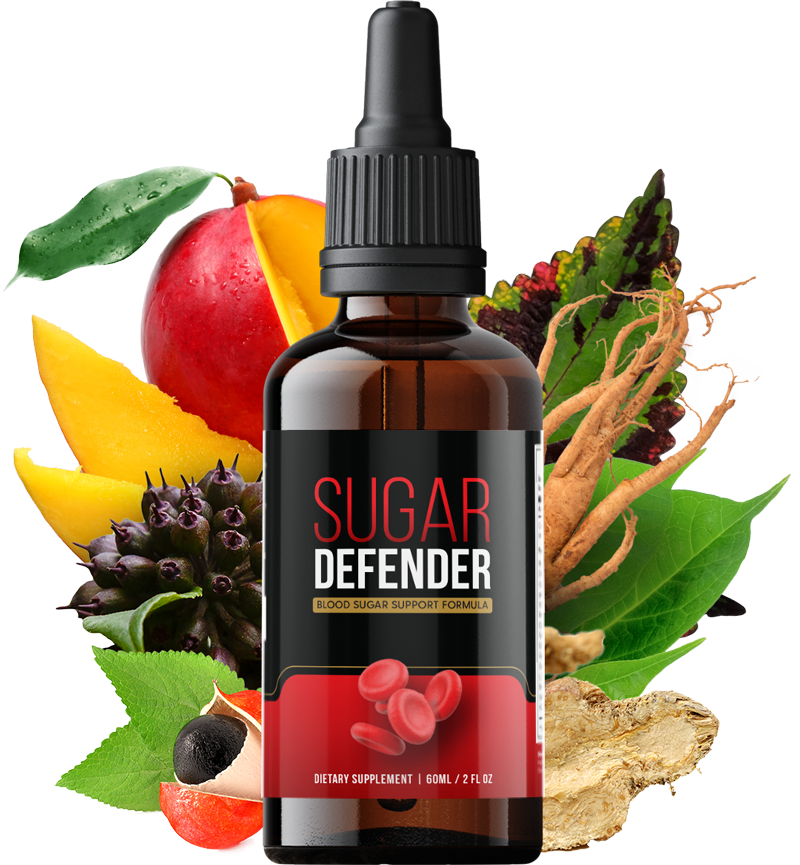
Quick Verdict: Sugar Defender is the most heavily advertised product in this entire roundup, and its liquid dropper format is genuinely convenient for anyone who gags on capsules. But strip away the marketing and you find a 24-ingredient adaptogen-energy-weight blend wearing a blood-sugar costume. Only two of its ingredients — Gymnema and Chromium — have real glucose evidence behind them. The rest are stimulants and adaptogens that make you feel energized, which is easy to mistake for “working.” Doses are completely hidden, and the brand has the worst counterfeit-site problem of any product we reviewed. We rate it a modest, cautious 3.2 — worth a look only if you buy from the one verified source and keep your expectations realistic.
What It Is
Sugar Defender is a liquid dietary supplement sold in a dropper bottle. The recommended dose is roughly 1 mL per day — a single dropperful — taken either directly under the tongue or stirred into a glass of water. That sublingual, no-pill delivery is the product’s signature feature and the single biggest reason it stands out in a category dominated by capsules and tablets.
Positioned as a formula for “balanced blood sugar plus natural energy and healthy weight,” Sugar Defender is one of the most aggressively marketed products in the entire blood-sugar-supplement niche. If you have spent any time on YouTube, Facebook, or health blogs in the last two years, you have almost certainly seen its ads. The brand markets the formula as containing 24 ingredients, of which eight are featured prominently: Eleuthero, Coleus (forskohlii), Maca Root, African Mango, Guarana, Gymnema, Ginseng, and Chromium.
Here is the first thing worth flagging. A supplement that promises to help with blood sugar and energy and weight, using two dozen ingredients, is telling you something important about its own design philosophy. It is a broad, catch-all formula rather than a focused glucose tool. That is not automatically disqualifying — but it should shape how you read everything that follows.
How It Works
The theory Sugar Defender sells is that a blend of botanicals and minerals, delivered in a fast-absorbing liquid, supports the body’s natural ability to manage glucose while also boosting energy and metabolism. In practice, the formula pulls in three very different directions at once.
A small part of the blend targets glucose directly. Gymnema sylvestre is a traditional botanical studied for its effect on sugar cravings and post-meal glucose,[7] and chromium is a trace mineral involved in insulin signaling.[5] Those are the two ingredients that actually justify the “blood sugar” label.
A much larger part of the blend is built around energy and adaptogens: Eleuthero, Ginseng, Maca, and Guarana. Guarana in particular is a natural source of caffeine. This is the mechanism that matters most for how the product feels. When you take a caffeine-and-adaptogen liquid under your tongue in the morning, you get a noticeable lift within the hour. That lift is real — but it is a stimulant effect, not evidence that your blood sugar is being controlled. This distinction is the single most important thing to understand about Sugar Defender, so we will return to it.
The remaining ingredients lean toward weight and metabolism claims — Coleus forskohlii and African Mango are both marketed in the weight-loss world. None of these carries meaningful glucose evidence, and we are not going to pretend otherwise.
The Ingredients, One by One
Let’s walk through the eight featured ingredients honestly, separating the genuine glucose actives from everything else.
Gymnema Sylvestre — This is a legitimate glucose-supporting botanical. It has traditionally been used to blunt sweet cravings, and a meta-analysis of gymnema exists, though it rests on relatively few small trials.[7] It is one of only two ingredients here we would call a true blood-sugar active. The catch, as always, is dose — and Sugar Defender does not tell you how much gymnema is in each dropper.
Chromium — A trace mineral with a real, if modest, evidence base. A chromium meta-analysis found benefits that were small and appeared mainly in people with diabetes.[5] This is the second genuine glucose ingredient in the formula. Again, no dose is disclosed.
Eleuthero (Siberian Ginseng) — An adaptogen marketed for stamina and stress resilience. There is no meaningful evidence that eleuthero controls blood sugar. We are including it here so you know it is doing energy work, not glucose work.
Coleus Forskohlii — A plant extract popular in weight-loss and body-composition products. It has no established role in glucose management. Its presence tells you this is a metabolism-and-weight formula at heart.
Maca Root — Marketed for energy, libido, and mood. It is a mild stimulant-adjacent adaptogen with no meaningful blood-sugar evidence.
African Mango — A weight-loss ingredient with a thin and unconvincing evidence base overall. It is not a glucose active.
Guarana — This is caffeine. Guarana is a natural stimulant, and it is almost certainly the reason people report feeling an “instant energy boost” after their morning dropper. That feeling is pharmacology you would get from a cup of coffee — it is not a sign of glucose control.
Ginseng — Another adaptogen with energy and general-wellness associations. We are not attaching a glucose claim to it, because the honest read is that its role here is energy and vitality, not sugar management.
Add it up: six of the eight featured ingredients are energy, adaptogen, or weight compounds with no meaningful glucose evidence. Only two — Gymnema and Chromium — belong in a blood-sugar supplement on the merits. And remember, this is a 24-ingredient formula in a 1 mL daily dose. There is simply not enough room in a single dropperful to deliver clinically meaningful amounts of two dozen actives. When you spread that little liquid across that many ingredients, each one almost has to be trace-dosed.
What We Like
- ✓ The liquid dropper format is genuinely convenient. For people who dislike or struggle to swallow capsules — and there are a lot of them — a sublingual liquid you can drop under your tongue or add to water is a real, tangible advantage. This is the one place Sugar Defender earns its “Best Liquid Format” nod without an asterisk.
- ✓ It contains two real glucose ingredients. Gymnema[7] and chromium[5] are legitimate, evidence-backed choices for a blood-sugar formula. They are here, even if we can’t verify the doses.
- ✓ A 60-day money-back guarantee. Two full months is a reasonable window to try it and request a refund if it does nothing for you.
- ✓ Easy to actually take. Compliance matters. A supplement you enjoy taking each morning is one you will keep taking, and the pleasant liquid ritual works in its favor.
Credit where it is due: the format is smart, the guarantee is fair, and the popularity is not entirely undeserved. Plenty of people genuinely enjoy using it.
Where It Falls Short
- ✗ It is a kitchen-sink formula wearing a blood-sugar label. With 24 ingredients spanning energy, adaptogen, and weight categories, this is not a focused glucose product. Only two ingredients truly belong to the glucose mission.
- ✗ Zero disclosed doses. The brand loudly claims it is “clinically dosed” with “no proprietary blends” — yet it publishes not a single milligram amount. You cannot verify a clinical dose you are not allowed to see. Claiming transparency while disclosing nothing is a contradiction, and we call it out plainly.
- ✗ Stimulants manufacture the “it’s working” feeling. Guarana (caffeine), plus ginseng and maca, produce an energy lift that is easy to mistake for blood-sugar improvement. Feeling more energetic is not the same as measuring better glucose, and this formula blurs that line in a way that benefits the seller more than the buyer.
- ✗ Unverifiable third-party testing. “Third-party tested” is claimed, but no named lab is provided. The brand leans on FDA-registered and GMP-facility language, which describes where it is made — not independent proof of what is in the bottle.
- ✗ A serious counterfeit problem. More on this below, because it deserves its own warning.
None of these are minor quibbles. Taken together, they are the reason a product with a clever format still lands at 3.2 rather than higher.
Pricing & Guarantee
Sugar Defender uses the standard multi-bottle pricing ladder common to this niche. A single bottle runs $69. Three bottles cost $177, which works out to $59 each, and six bottles cost $294, or $49 each. Shipping is free on the three- and six-bottle orders, while the single bottle does not include free shipping.
As with every product here, the pricing is engineered to push you toward the bigger bundles. The per-bottle cost drops meaningfully from $69 down to $49, and the free-shipping perk sweetens the larger orders. That is fine if the product works for you — but it also means committing to a large supply of something whose doses you cannot verify before you have tested even one bottle.
Our advice: if you want to try Sugar Defender, buy a single bottle first despite the higher per-unit price. Use the 60-day money-back guarantee as your safety net. Two months is enough time to judge whether it does anything for you beyond the caffeine lift, and you avoid over-committing to a six-bottle stockpile on faith. Just be sure you are ordering from the one legitimate source so that guarantee actually means something — a refund promise from a counterfeit site is worthless.
Reputation & Marketing
There is no polite way to say this: Sugar Defender is a marketing machine first and a supplement second. It is among the most heavily advertised products in the entire category, blanketing social platforms and video sites with testimonial-style ads that emphasize dramatic energy, effortless weight loss, and “balanced” blood sugar.
Those testimonials deserve scrutiny. When a formula contains caffeine and multiple adaptogens, a large share of the glowing “I felt a difference on day one” reviews are describing a stimulant response — the same jolt you would get from strong coffee or an energy drink. That is a real sensation, but attributing it to blood-sugar control is a leap the marketing is happy to let you make. Honest reviewing means naming that mechanism out loud so you are not fooled by your own morning buzz.
The transparency messaging is the other soft spot. Sugar Defender positions itself as the honest, “no proprietary blends,” clinically dosed option — and then declines to publish a single dose. You cannot be the transparent choice and the black-box choice at the same time. And the counterfeit epidemic surrounding the brand, serious enough that the company warns about it on its own site, adds a layer of buyer-beware that most competitors simply do not carry.
Who It’s Best For
Sugar Defender makes the most sense for a specific person: someone who strongly prefers a liquid over capsules, who wants a gentle daily energy-and-wellness ritual, and who understands going in that this is a broad adaptogen blend rather than a targeted glucose formula. If you would take it mainly for the convenient format and the morning lift, and you treat any blood-sugar benefit as a possible bonus rather than the main event, your expectations are calibrated correctly.
It is a poor fit for anyone who wants a focused, evidence-first glucose supplement with disclosed, clinically meaningful doses of proven ingredients. It is also a poor fit for anyone sensitive to caffeine, since the guarana content can cause jitters, sleep disruption, or an elevated heart rate. And it is not the right pick for people who want to know exactly what and how much they are putting in their body each day, because that information simply is not published.
Our Honest Take
Sugar Defender is easy to like and easy to over-trust. The liquid format is a genuine innovation in a sea of capsules, the guarantee is fair, and the product is undeniably popular. But when we look past the packaging, we see an adaptogen, energy, and weight blend that has been dressed up in blood-sugar language. Of its featured ingredients, only Gymnema[7] and Chromium[5] have real glucose evidence, and even those come with modest, limited data — and doses we are not permitted to verify. The rest is stimulant and adaptogen material that makes you feel good without moving your glucose. Cram 24 ingredients into a single daily dropper and trace dosing is nearly guaranteed.
Keep the bigger picture in view. Even the best-formulated blood-sugar supplement is a modest adjunct at most — a small nudge alongside diet, movement, and sleep, never a replacement for medication. That is doubly true here. And if you take diabetes medication, do not add Sugar Defender without talking to your doctor first: combining glucose-lowering ingredients with prescription drugs can risk hypoglycemia, and the hidden doses make that risk harder to manage.
Our verdict, at 3.2 out of 5: a convenient format and a couple of legitimate ingredients, held back by a scattershot formula, hidden doses, stimulant-driven hype, and a genuinely dangerous counterfeit landscape. If you try it, buy one bottle from the single verified source, keep your expectations grounded, and loop in your doctor if you are on any glucose medication.
Cholibrium — Best for Heart & Cholesterol (Not a Glucose Formula)
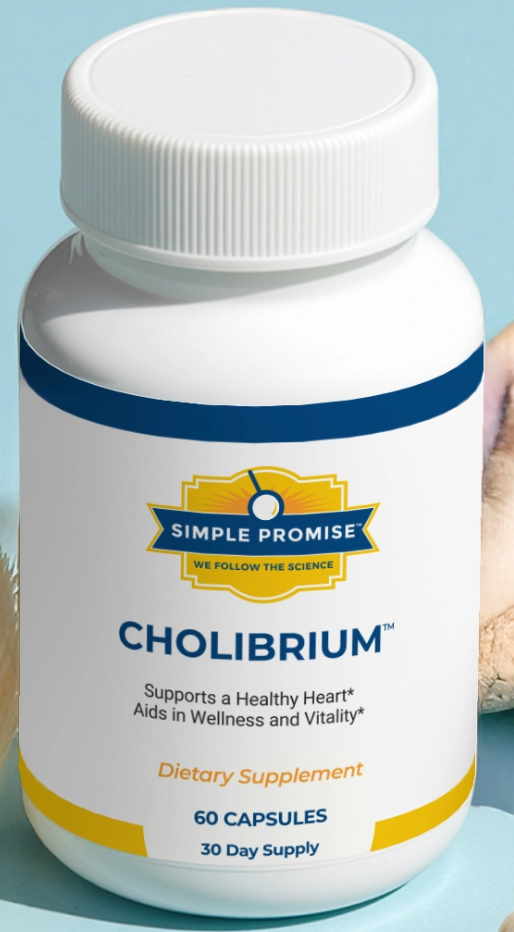
Quick Verdict: We’ll be honest with you up front: Cholibrium probably shouldn’t be in a blood-sugar roundup at all. It’s a 10-mushroom blend from Simple Promise that is officially sold for cholesterol, blood pressure, and heart health — not glucose. The blood-sugar angle lives almost entirely in affiliate reviews, not the brand’s own marketing. So why include it? Honesty and completeness. If you go shopping for “blood sugar supplements,” this product will cross your path, and you deserve to know what it actually is. To its genuine credit, it’s the most transparent formula of the five we compared, it carries the longest guarantee (a full 365 days), and it comes from a comparatively established seller. But for the specific job of steadying blood sugar, the clinical evidence is essentially absent. That mismatch is why it lands last here.
What It Is
Cholibrium is a capsule-based mushroom supplement from Simple Promise, a supplement brand that has been around long enough to have an established catalog and customer base — which already sets it apart from the more anonymous, single-product operations behind some of the other formulas in this guide. You take two capsules a day, and each bottle contains 30 servings, so a single bottle is a one-month supply. The pitch is built around the idea of a “10-mushroom” complex: a stack of functional and medicinal mushrooms combined into one daily dose.
Here is the part that matters most, and the reason this section reads differently from the others. Cholibrium’s own official positioning is about cholesterol, blood pressure, and cardiovascular health. That is the story the brand tells on its core sales material. The “helps stabilize blood sugar” and “reduces carb cravings” language — the language that lands it in searches like the one that probably brought you here — shows up mainly in affiliate reviews written by people earning a commission, not in the manufacturer’s central marketing. In other words, this is a heart-and-cholesterol mushroom blend that the affiliate ecosystem has stretched sideways into the blood-sugar category because that category sells. We don’t think that stretch is honest, and we’re not going to pretend otherwise. Cholibrium is a cardiovascular product wearing a glucose costume in some corners of the internet. Judge it for what it is, not for what a commission-driven review page renamed it.
How It Works
The proposed mechanism, insofar as the product has one, rests on the general reputation of medicinal mushrooms. Species like reishi, cordyceps, lion’s mane, shiitake, maitake, turkey tail, and chaga have a long history in traditional wellness and a growing, if still preliminary, body of modern research around immune modulation, antioxidant activity, and cardiovascular markers. Some of these mushrooms contain beta-glucans and other compounds that have been studied for effects on inflammation and lipid handling. That is the plausible, defensible core of what a mushroom stack like this might do: contribute to general metabolic and cardiovascular wellness in a broad, supportive way.
But we have to be precise about the leap being made. Supporting cardiovascular wellness in a general sense is not the same as controlling blood glucose or improving insulin sensitivity, and the two should never be conflated. When it comes to the specific question this guide is built around — does this product help steady your blood sugar? — the honest answer for these mushrooms is that the clinical evidence is essentially absent. There is no meaningful body of human trials showing that this blend of mushrooms lowers fasting glucose, improves post-meal glucose response, or moves HbA1c in any reliable way. Some individual mushrooms have early, exploratory research touching on metabolic pathways, but “preliminary and general” is a world away from “demonstrated blood-sugar benefit.” We are not going to dress up traditional-use plausibility as clinical proof. If you want a mechanism for glucose control here, there isn’t a well-supported one to give you.
The Ingredients, One by One
Credit where it is genuinely due: this is the most transparent formula of the five products in this guide, and that transparency is not a small thing. Where several competitors hide behind a single undifferentiated “proprietary blend,” Cholibrium actually discloses real doses for a chunk of its lineup. Four of its headline mushrooms are individually dosed at 266 mg each: Cordyceps Sinensis, Reishi, Shiitake, and Lion’s Mane. That means you can see exactly how much of each you’re getting rather than guessing — the exception rather than the rule in this category.
The remaining six mushrooms are grouped into a single 266 mg proprietary blend: Maitake, Turkey Tail, Chaga, Royal Sun Agaricus, White Button Mushroom, and Black Fungus. So the transparency isn’t total — that back half is still a blended number, and you can’t tell how the 266 mg is split among the six. But partial disclosure of real, named doses still puts Cholibrium meaningfully ahead of the fully-hidden formulas we reviewed elsewhere in this roundup. On the label-honesty axis alone, this is the standout of the group.
The catch, and it’s the same catch running through this entire section, is that a transparent dose of an ingredient with no blood-sugar evidence is still an ingredient with no blood-sugar evidence. We’re glad to know it’s 266 mg of reishi. We just can’t point you to human trials showing that 266 mg of reishi, or the full ten-mushroom stack, does anything measurable for glucose control. Transparency tells you what you’re taking; it does not, by itself, tell you that what you’re taking works for the job at hand. For blood sugar specifically, this label is honest about a formula that is off-target.
What We Like
- ✓ The most transparent formula in this guide. Four mushrooms are disclosed at a real 266 mg each, and only the back-half blend is grouped. That’s a level of label honesty the rest of the field didn’t match.
- ✓ The longest guarantee of the group — a full 365 days. A year-long money-back window is unusually generous and signals a brand willing to stand behind a purchase well past the point most competitors stop.
- ✓ A more established brand. Simple Promise is a comparatively known seller with a track record, rather than a one-off, here-today-gone-tomorrow storefront. That reduces the risk of ordering into a void.
- ✓ Reasonable per-bottle pricing at volume, with the six-bottle tier dropping the cost to $39 per bottle.
- ✓ A genuinely plausible core purpose. As a heart-and-cholesterol mushroom blend — its actual intended use — it sits on far firmer ground than it does as a glucose product.
None of these strengths are trivial, and we want to be fair: if this product were reviewed inside a cardiovascular-support guide rather than a blood-sugar one, several of these checkmarks would carry real weight. Transparency, a long guarantee, and an established brand are exactly the trust signals we look for. The problem is context, not character.
Where It Falls Short
- ✗ It is off-category for blood sugar. This is a cholesterol and heart formula. The glucose framing comes primarily from affiliate reviews, not the brand’s own marketing, and that mismatch is the single biggest strike against it here.
- ✗ Essentially no clinical evidence for glucose control. There are no meaningful human trials showing this mushroom blend improves blood sugar or insulin sensitivity. The metabolic research that exists is preliminary and general, not glucose-specific.
- ✗ No named third-party testing. The brand leans on GMP and FDA-registered-facility language, but does not name an independent lab verifying identity, potency, or purity.
- ✗ Partial, not full, transparency. Six of the ten mushrooms are still buried in a single blended 266 mg figure.
- ✗ The premium single-bottle price of $59 (against a $99 “regular”) is a lot to pay for a product being asked to do a job it wasn’t designed for.
The through-line is simple. Most of Cholibrium’s shortcomings, in the context of this guide, trace back to one root problem: it is being evaluated for something it was never built to do. We can respect the formula and still tell you it doesn’t belong in your blood-sugar shortlist.
Pricing & Guarantee
Cholibrium uses the familiar tiered pricing model. A single bottle runs $59, against a stated regular price of $99. Three bottles come to $147, which works out to $49 each, and the six-bottle package is $234, or $39 per bottle. As with most supplements sold this way, the per-bottle math only becomes attractive if you commit to a multi-bottle order up front — the single bottle is priced to nudge you toward the bundles.
The guarantee, though, is the standout number and genuinely the best in this entire guide: a 365-day money-back guarantee. A full year is far more generous than the 60- or 90-day windows common in this space, and it does two useful things. It gives you real time to try the product and return it if it doesn’t deliver, and it signals a brand confident enough — and stable enough — to honor refunds a year out. We rate long guarantees highly because they shift risk off the buyer and onto the seller. If you were buying Cholibrium for its actual purpose, this guarantee would be a strong point in its favor. Even here, it’s the most consumer-friendly policy of the five. Just remember that a great return policy protects your wallet; it doesn’t make an off-category product the right tool for blood sugar.
Reputation & Marketing
This is where the story gets instructive, because Cholibrium is a case study in how a product’s real identity can get rewritten by the affiliate machine. The manufacturer, Simple Promise, markets Cholibrium as a cardiovascular and cholesterol supplement — that’s the honest center of the brand’s own messaging. Then a layer of third-party review sites, many earning commissions on each sale, reframes it as a blood-sugar aid, leaning on phrases like “stabilizes blood sugar” and “reduces carb cravings” that do far more work in those reviews than in the company’s core material. The result is a product that can look like two different things depending on which page you land on.
We flag this not to attack the brand — Simple Promise’s own positioning is comparatively responsible — but to arm you as a reader. When you see the same supplement described as a heart formula on one site and a glucose formula on another, the version closest to the manufacturer’s official claims is usually the truthful one, and the reframed version is usually the one written to rank for a higher-traffic keyword. On third-party testing, the marketing sticks to GMP and FDA-registered-facility language without naming an independent lab, so we can’t point to verified potency data. That’s a gap, though a common one in this industry.
Who It’s Best For
Let’s be plain about this, because the honest recommendation splits in two directions. If your goal is blood sugar support, Cholibrium is not your product, and we’d steer you toward the higher-ranked picks in this guide instead — and, far more importantly, toward the fundamentals that actually move glucose: diet, movement, sleep, weight management, and appropriate medical care. No mushroom capsule substitutes for those.
If, on the other hand, you arrived interested in general heart and cholesterol wellness and you value transparency, a long guarantee, and an established brand, then Cholibrium is at least being sold for its intended purpose in that context, and the same strengths we praised become genuinely relevant. Even then, cardiovascular health and cholesterol are not areas to self-manage with a supplement chosen off a review page. Anyone with cholesterol, blood-pressure, or heart concerns — and certainly anyone managing diabetes or prediabetes — should be having that conversation with a doctor, who can order real labs and recommend interventions with actual evidence behind them, rather than self-treating with a mushroom blend.
Our Honest Take
Cholibrium is the entry in this guide that we most want you to understand clearly, because it’s the one most likely to mislead a well-meaning shopper. It is a well-presented, comparatively transparent, generously guaranteed mushroom supplement from an established brand — and it is, by its own maker’s positioning, a heart-and-cholesterol product, not a blood-sugar one. The glucose story is largely an affiliate invention layered on top of a cardiovascular formula. When we hold it to the actual standard of this guide, “does it help with blood sugar,” the clinical evidence for these mushrooms is essentially absent, and no amount of label honesty or refund generosity changes that.
So it scores lowest here — a 3.1 — not because it’s a bad or dishonest product in absolute terms, but because it’s the wrong product for the job we’re evaluating. We give it real credit for transparency, for that 365-day guarantee, and for coming from a more established seller; those are the qualities we’d love to see across the whole category. But credit for being honest and well-run doesn’t earn a place near the top of a blood-sugar ranking when the formula was never built for blood sugar in the first place. Our ethos is that honesty converts, and the honest thing to say is this: if blood sugar is your concern, look higher on this list and, above all, to your lifestyle and your doctor. If heart and cholesterol are your concern, Cholibrium is at least in its right lane — but that’s a conversation to have with a clinician, not a checkout page.
Key Ingredients Deep Dive
Whatever product you’re weighing, it helps to know the ingredients themselves — because the label is only as good as what’s actually in it and at what dose. Here’s an honest read on the ingredients you’ll see across blood-sugar formulas and what the research actually supports. The theme of this category is humility: one ingredient genuinely stands out, and most of the rest produce modest or mixed effects.
| Ingredient | What It Does | Evidence |
|---|---|---|
| Berberine | Activates AMPK; lowers HbA1c/fasting glucose ~like metformin in trials | Moderate–Strong [1][2][3] |
| Fenugreek | Soluble fiber slows carb absorption; may aid insulin release | Moderate / Mixed [11] |
| Magnesium | Improves insulin sensitivity, mainly if deficient | Moderate [10] |
| Gymnema | Blunts sugar absorption & cravings; lowered A1c in small trials | Limited [7] |
| Chromium | Potentiates insulin; modest benefit, mainly in diabetes | Mixed / Limited [5] |
| Cinnamon | Lowers fasting glucose but not HbA1c; coumarin concern (cassia) | Mixed / Limited [4] |
| Bitter Melon | Small, low-certainty glucose reductions | Mixed / Limited [9] |
| Alpha-Lipoic Acid | Best for diabetic nerve symptoms, not glucose itself | Moderate (neuropathy) [6] |
| Banaba (corosolic acid) | “Insulin-like” GLUT4 activity; small studies | Limited [8] |
| Maqui / delphinidin | Lowered post-meal glucose in prediabetics (preliminary) | Limited [12] |
The one that stands out: berberine
Berberine is the closest thing this category has to a genuine heavyweight. It activates AMPK — the same energy-sensing pathway that metformin touches — reduces glucose production in the liver, and improves insulin sensitivity. Randomized trials [1][2] and a meta-analysis [3] found reductions in fasting glucose and HbA1c broadly comparable to standard oral diabetes drugs. The honest caveats matter, though: much of that evidence is small, short, and from China; GI side effects (diarrhea, cramping) are common; oral absorption is poor, so product quality varies a lot; and berberine interacts with medications (it adds to metformin’s glucose-lowering and affects how statins are processed). Effective doses run roughly 1,000–1,500 mg/day split with meals — which is exactly why a berberine hidden inside a shared proprietary blend is usually underdosed.
The moderate middle
Fenugreek (soluble fiber that slows carb absorption) and magnesium (mainly by correcting a deficiency tied to insulin resistance) both have meta-analytic support for modest improvements. [11][10] Gymnema reduced fasting glucose and A1c in a meta-analysis, but from few small trials. [7] Alpha-lipoic acid is worth understanding precisely: its best evidence is for relieving the symptoms of diabetic nerve damage (the SYDNEY 2 trial), not for lowering glucose itself. [6] And maqui berry delphinidins — GlucoBerry’s signature — lowered post-meal glucose in prediabetics in a small, preliminary, industry-funded study. [12]
Ingredients to keep expectations low on
- Cinnamon. Meta-analysis found it can lower fasting glucose but shows no significant effect on HbA1c, the marker that matters most. [4] Also, common cassia cinnamon is high in coumarin (a liver/anticoagulant concern at higher intakes); Ceylon is the safer type, and most products don’t say which they use.
- Chromium. A modest, inconsistent benefit concentrated in people with diabetes or poor chromium status — unlikely to do much for a well-nourished person. [5]
- Bitter melon and banaba. Small, low-certainty reductions in glucose; promising mechanisms, thin evidence. [9][8]
- Stimulants and adaptogens (guarana, ginseng, maca, eleuthero, TeaCrine). These show up constantly in “blood sugar” products — Sugar Defender and Gluco6 both lean on them — and they can make you feel energized. But feeling energized is not glucose control, and none of these has meaningful evidence for lowering blood sugar. Don’t mistake a caffeine lift for a working supplement.
- “Proprietary blends.” Not an ingredient but a tactic: bundling everything into one undisclosed total so you can’t see individual doses. In this category, where berberine and gymnema need real amounts to work, a hidden blend almost always means underdosing.
Natural Ways to Support Healthy Blood Sugar
If you take one thing from this guide, make it this: the most powerful levers for blood sugar aren’t on a supplement label. They’re behavioral, they’re overwhelmingly well-supported, and they beat any pill in this category — by a wide margin. The landmark Diabetes Prevention Program found that intensive lifestyle change (about 7% weight loss plus 150 minutes of activity a week) cut progression from prediabetes to type 2 diabetes by 58% — better than metformin’s 31%, and far beyond anything any supplement has ever demonstrated. [13] Treat supplements as something you might add on top of these, never instead of them.

1. Lose a modest amount of weight
If you carry excess weight, losing even 5–7% of it is one of the highest-impact things you can do for insulin sensitivity — the exact intervention behind the 58% risk reduction above. You don’t need to reach an “ideal” weight; the first several pounds off often deliver the biggest metabolic return.
2. Move after meals
Muscle soaks up glucose, and it does so especially well right after you eat. A 10–15 minute walk after meals blunts the post-meal spike more than most supplements ever could, and two to four strength sessions a week build the muscle that keeps disposing of glucose around the clock.
3. Fix the carbohydrate quality
You don’t have to eliminate carbs — you have to upgrade them. Swap refined grains, sugary drinks, and ultra-processed snacks for whole grains, legumes, vegetables, and fruit with their fiber intact. Fiber slows glucose absorption, which is the same mechanism several supplement ingredients are chasing — except food does it better and cheaper.
4. Prioritize sleep
Short and poor sleep worsen insulin resistance and drive cravings for exactly the foods that spike glucose. If you’re chasing better numbers while sleeping six broken hours, fixing the sleep is higher-leverage than anything in a bottle.
5. Build meals around protein and fiber first
The order and composition of a meal changes its glucose impact. Leading with protein, healthy fats, and vegetables — and saving the starch for later in the meal — flattens the post-meal curve. It’s a free “supplement” you apply three times a day.
6. Get tested and track
The most valuable step is the least glamorous: know your numbers. A fasting glucose and A1c tell you where you stand and give you a baseline to improve against. Everything else works better when you can actually measure whether it’s helping.
What You Should Know Before Buying
This is the section most supplement guides skip — and the reason most of them shouldn’t be trusted.
Most blood-sugar supplements produce modest effects, not transformations
The dramatic before-and-after numbers in the ads are not the typical experience. Even berberine, the best-supported ingredient, comes from limited trials, and most other ingredients are mixed-to-modest. If your glucose is already healthy, a supplement is unlikely to do much at all.
Supplements are not medication — and combining them can be risky
No product on this page treats diabetes or replaces metformin, a GLP-1 drug, or insulin. And this is the crucial safety point: several of these ingredients (berberine, gymnema, bitter melon, fenugreek, ALA, cinnamon) can lower blood sugar on their own. Stacked on top of a medication that already lowers it, they can cause hypoglycemia — shakiness, sweating, confusion, in severe cases much worse. If you take any glucose-lowering drug, do not add a supplement without your doctor’s involvement.
Dose is everything, and most of these hide it
Four of the five products on this page don’t disclose their doses. That matters more here than almost anywhere, because the good ingredients only work at real amounts — berberine at ~1,000–1,500 mg/day, for instance. A hidden “proprietary blend” almost always means the marquee ingredient is present in a fraction of its studied dose. Favor whatever transparency you can get, and be skeptical of “clinically dosed” claims from a label that shows no milligrams.
Watch for stimulants, invented mechanisms, and counterfeit sites
An “energy” jolt from guarana or TeaCrine is easy to mistake for blood-sugar improvement — it isn’t. Invented mechanisms (“Blood Sugar Drain”) oversell ordinary formulas. And some of these brands (Sugar Defender especially) are surrounded by dozens of counterfeit look-alike sites. Buy from one verified source, and judge the product on its label, not its sales video.
How to Choose the Right One for You
With the honest caveats in mind, here’s a practical way to narrow the field. Match your situation to the approach below rather than grabbing the most-advertised bottle.
If you want the cleanest, most focused formula
Go with GlucoBerry, our top pick — four on-topic ingredients, no stimulant filler, and a 180-day guarantee. It’s the best signal-to-noise of the group. Just know that its doses are cited from studies rather than confirmed on a printed panel.
If you specifically want berberine
Gluco Extend is the only product here built around it, and berberine is the strongest-evidence ingredient in the category. The catch is the hidden proprietary blend — you can’t confirm the berberine is at an effective dose. Honestly, if a verified berberine dose is your goal, a standalone berberine product that lists ~500 mg per capsule and is third-party tested may serve you better.
If simplicity is your priority
Gluco6 is a once-daily capsule with a few legitimate ingredients — fine for a low-effort trial, as long as you accept the likely underdosing and ignore the stimulant and buzzword filler. Remember its real guarantee is 60 days, not the 180 some sites claim.
If you strongly prefer a liquid
Sugar Defender’s dropper is the only liquid here and genuinely convenient — but it’s a broad energy/adaptogen blend, so buy it for the format and treat any glucose benefit as a bonus, and only from the one verified site.
If your real concern is cholesterol or heart health
Cholibrium is honestly in the wrong category for blood sugar — but if heart and cholesterol are your actual goal, it’s a transparent, well-guaranteed mushroom formula in its right lane. Either way, that’s a conversation for your doctor, not a checkout page.
Whatever you choose, give it at least 8 to 12 weeks of consistent daily use, track your fasting glucose (and A1c if you can), and reassess honestly. If nothing has changed after a fair trial, stop — and put the money and effort toward the lifestyle steps and medical care that do the heavy lifting.
Who Should Avoid These Supplements
Talk to your doctor before starting any of these if you:
- Take any glucose-lowering medication — metformin, sulfonylureas, GLP-1 drugs, or insulin. Adding glucose-lowering ingredients can cause hypoglycemia. This is the single most important warning here.
- Take other prescription medications — especially statins or blood thinners. Berberine and several botanicals have real interactions.
- Are pregnant or breastfeeding — berberine, bitter melon, and fenugreek are specifically cautioned against in pregnancy.
- Have kidney or liver disease — dosing and safety change; get medical guidance first.
- Have diagnosed diabetes and significant symptoms — that needs medical management, not a supplement in place of it.
- Are sensitive to caffeine/stimulants — several of these (Sugar Defender, Gluco6) contain stimulant ingredients.
Frequently Asked Questions
Do blood sugar supplements actually work?
Quick Answer: Some ingredients can produce modest reductions in glucose, especially in people who start with elevated levels. Berberine has the strongest evidence, with gymnema, fenugreek, and magnesium behind it. Effects are generally small and depend heavily on dose — and many products hide their doses. No supplement treats diabetes or replaces medication and lifestyle change.
What is the most effective blood sugar supplement ingredient?
Quick Answer: Berberine. In several trials and a meta-analysis it lowered fasting glucose and HbA1c about as much as the drug metformin, at roughly 1,000–1,500 mg/day. The caveats: the trials are small and short, GI side effects are common, and it interacts with medications. It works only at a real dose, so a berberine buried in a hidden blend is likely underdosed.
Can I take a supplement instead of metformin or my diabetes medication?
Quick Answer: No. Supplements are not a substitute for prescribed diabetes medication or medical care. Stopping or replacing your medication with a supplement can be dangerous. If you’re interested in a supplement, the safe path is to discuss it with your doctor and add it (if at all) alongside — never instead of — your treatment plan.
Are blood sugar supplements safe to take with diabetes medication?
Quick Answer: Only with medical supervision. Ingredients like berberine, gymnema, bitter melon, and fenugreek lower blood sugar themselves, so combined with a glucose-lowering drug they can cause hypoglycemia (shakiness, sweating, confusion). Some also interact with statins and blood thinners. Always clear any blood-sugar supplement with your doctor before adding it to medication.
How long until I see results?
Quick Answer: Most blood-sugar ingredients need consistent daily use for 8 to 12 weeks before any effect is fair to judge, and HbA1c reflects roughly three months of glucose, so give it a full quarter. Track your fasting glucose along the way, pair the supplement with diet and activity, and reassess honestly at the 12-week mark.
What’s the best blood sugar supplement for prediabetes?
Quick Answer: Of the formulas we reviewed, GlucoBerry is our top overall pick for its clean, focused formula, and a well-dosed berberine product has the strongest ingredient evidence. But prediabetes is exactly the stage where lifestyle wins big — modest weight loss and activity cut progression to diabetes by 58% in the landmark trial, far more than any supplement. Use a supplement, if at all, as a minor add-on.
Is cinnamon good for blood sugar?
Quick Answer: Modestly and inconsistently. Meta-analysis shows cinnamon can lower fasting glucose but found no significant effect on HbA1c, the longer-term marker. If you use it, choose Ceylon cinnamon over cassia — cassia is high in coumarin, which can stress the liver at higher daily intakes. It’s a minor helper, not a treatment.
Can these supplements lower my A1c?
Quick Answer: A well-dosed berberine product has the best chance of a measurable A1c reduction; most other ingredients show little or no A1c effect (cinnamon, for example, does not). Any change is usually modest and takes about three months to show. Lifestyle change and, where needed, medication move A1c far more reliably than supplements.
Should I take a supplement or see a doctor first?
Quick Answer: If your numbers are only mildly elevated, you have no symptoms, and you’re not on medication, trying a supplement alongside lifestyle changes is reasonable. But if your fasting glucose or A1c is in the diabetic range, you have symptoms, or you take any glucose-lowering drug, see a doctor first. A quick visit and lab test tell you what you’re actually dealing with and open up treatments no supplement can match.
Is berberine really “nature’s metformin”?
Quick Answer: It’s a catchy nickname with a grain of truth — berberine and metformin both act partly through the AMPK pathway, and some trials show similar glucose reductions. But berberine’s evidence base is smaller and lower-quality, its absorption is poor, it causes more GI upset, and it isn’t a regulated medication. It’s a promising supplement, not a proven replacement for a prescription drug.
Final Verdict
If you want one clean, honestly-built option from this group, GlucoBerry is our top pick — four on-topic ingredients, no stimulant filler, and a 180-day guarantee make it the best signal-to-noise formula here, even though its doses are cited rather than printed. Gluco Extend has the best ingredient concept because it contains berberine, but hidden dosing keeps it from proving it. Gluco6 is the simplest capsule, Sugar Defender the most convenient liquid (with real caveats), and Cholibrium is honestly a heart/cholesterol product that doesn’t belong in a blood-sugar roundup at all.
But the most important takeaway is the one the ads won’t tell you: these are modest support tools, not treatments. The single most effective ingredient (berberine) comes from limited trials and only works at a real dose, and most formulas hide their doses. The biggest, most reliable wins come from modest weight loss, moving after meals, better carbohydrate quality, sleep — and, if your numbers warrant it, medical care that no bottle on this page can replace. If you take any glucose-lowering medication, talk to your doctor before adding a supplement, because the combination can push your blood sugar dangerously low.
Our Top Pick: GlucoBerry
The cleanest, most focused formula of the group — four on-topic ingredients, no filler, 180-day guarantee.
Affiliate Disclosure: Men’s Health Authority participates in affiliate programs including ClickBank. We may earn commissions when readers purchase through links on this page, at no additional cost to you. Every product reviewed is an affiliate product, so this compensation does not influence our rankings; our order reflects ingredient evidence and dose transparency.
Medical Disclaimer: This article is for informational and educational purposes only and is not medical advice. The Men’s Health Authority editorial team consists of health researchers and writers, not licensed medical professionals. Blood-sugar supplements are not intended to diagnose, treat, cure, or prevent any disease, including diabetes, and are not a substitute for medication or medical care. Always consult a qualified healthcare provider before starting any supplement, particularly if you have elevated blood sugar, take medication, or have a medical condition. Do not stop or change prescribed medication without medical guidance.
About Men’s Health Authority
Men’s Health Authority is an independent editorial resource covering men’s wellness and evidence-based health information for adults over 40. Our editorial team are health researchers and writers — not licensed clinicians. We evaluate products against published labels and peer-reviewed research, cite our sources, and keep our rankings independent of commissions. Always consult a qualified healthcare professional for personal medical questions.
Sources & References
- Yin J, Xing H, Ye J. (2008). Efficacy of berberine in patients with type 2 diabetes mellitus. Metabolism, 57(5):712–717. PubMed
- Zhang Y, Li X, Zou D, et al. (2008). Treatment of type 2 diabetes and dyslipidemia with the natural plant alkaloid berberine. J Clin Endocrinol Metab, 93(7):2559–2565. PubMed
- Lan J, Zhao Y, Dong F, et al. (2015). Meta-analysis of the effect and safety of berberine in the treatment of type 2 diabetes mellitus, hyperlipemia and hypertension. J Ethnopharmacol, 161:69–81. PubMed
- Allen RW, Schwartzman E, Baker WL, Coleman CI, Phung OJ. (2013). Cinnamon use in type 2 diabetes: an updated systematic review and meta-analysis. Ann Fam Med, 11(5):452–459. PubMed
- Suksomboon N, Poolsup N, Yuwanakorn A. (2014). Systematic review and meta-analysis of the efficacy and safety of chromium supplementation in diabetes. J Clin Pharm Ther, 39(3):292–306. PubMed
- Ziegler D, Ametov A, Barinov A, et al. (2006). Oral treatment with alpha-lipoic acid improves symptomatic diabetic polyneuropathy: the SYDNEY 2 trial. Diabetes Care, 29(11):2365–2370. PubMed
- Devangan S, Varghese B, Johny E, et al. (2021). The effect of Gymnema sylvestre supplementation on glycemic control in type 2 diabetes patients: a systematic review and meta-analysis. Phytother Res, 35(12):6802–6812. PubMed
- Stohs SJ, Miller H, Kaats GR. (2012). A review of the efficacy and safety of banaba (Lagerstroemia speciosa L.) and corosolic acid. Phytother Res, 26(3):317–324. PubMed
- Peter EL, Kasali FM, Deyno S, et al. (2019). Momordica charantia L. lowers elevated glycaemia in type 2 diabetes mellitus patients: systematic review and meta-analysis. J Ethnopharmacol, 231:311–324. PubMed
- Veronese N, Watutantrige-Fernando S, Luchini C, et al. (2016). Effect of magnesium supplementation on glucose metabolism in people with or at risk of diabetes: a systematic review and meta-analysis of double-blind randomized controlled trials. Eur J Clin Nutr, 70(12):1354–1359. PubMed
- Neelakantan N, Narayanan M, de Souza RJ, van Dam RM. (2014). Effect of fenugreek (Trigonella foenum-graecum L.) intake on glycemia: a meta-analysis of clinical trials. Nutr J, 13:7. PubMed
- Alvarado JL, Leschot A, Olivera-Nappa Á, et al. (2016). Delphinidin-rich maqui berry extract (Delphinol) lowers fasting and postprandial glycemia and insulinemia in prediabetic individuals during oral glucose tolerance tests. Biomed Res Int, 2016:9070537. PubMed
- Knowler WC, Barrett-Connor E, Fowler SE, et al. (Diabetes Prevention Program Research Group). (2002). Reduction in the incidence of type 2 diabetes with lifestyle intervention or metformin. N Engl J Med, 346(6):393–403. PubMed
Related Articles on Men’s Health Authority
- July 24, 2026: Initial publication with 5 in-depth product reviews.
- Scheduled review: October 2026 (quarterly).